Birding at Beaver Creek Reserve
OVERVIEW
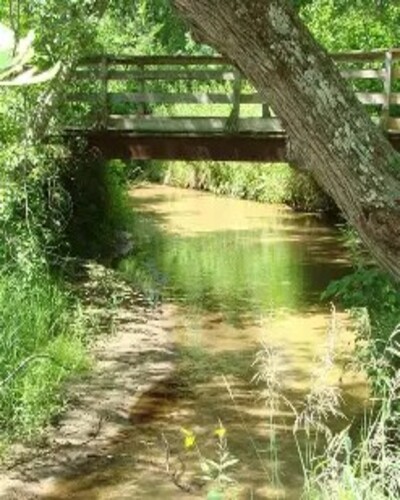
Beaver Creek Reserve is a nature preserve and environmental education center near Fall Creek in Eau Claire County, Wisconsin. Its forests, wetlands, grasslands, and streamside habitats offer rewarding year-round opportunities for birdwatchers.
Located in west-central Wisconsin, the reserve features a network of nature trails that let visitors explore a variety of natural environments. The mixture of woodland and open habitats makes it an appealing destination for observing both resident birds and seasonal migrants.
During spring and summer, visitors can listen for woodland songbirds, watch for woodpeckers among the trees, and explore areas where wetland and edge habitats attract additional species. Fall brings changing colors and migrating birds, while winter offers quieter opportunities to observe chickadees, nuthatches, and other year-round residents.
Whether you're new to birdwatching or already enjoy identifying Wisconsin birds, Beaver Creek Reserve offers a peaceful setting to explore nature, practice bird identification, and experience the region's diverse birdlife.
HABITAT AND HIGHLIGHTS
Woodlands and Forest Habitats
Beaver Creek Reserve features a mixture of wooded habitats that provide shelter, nesting areas, and food for many Wisconsin birds.
Mature trees, understory vegetation, and forest edges create opportunities to observe woodpeckers, chickadees, nuthatches, and woodland songbirds.
During spring migration, these wooded areas can attract warblers, vireos, thrushes, and other birds traveling north to their breeding grounds.
Creeks and Wetland Habitats
Streams, low-lying areas, and wetland habitats add variety to the reserve's natural landscape.
These areas provide feeding and resting opportunities for birds associated with water, moist woodlands, and dense vegetation.
Birdwatchers may encounter Red-winged Blackbirds, Common Yellowthroats, and other species that favor wetland edges and shrubby habitats.
Grasslands and Open Areas
Open grassy areas and meadow-like habitats provide a contrast to the reserve's woodlands.
These habitats may attract sparrows, Eastern Bluebirds, swallows, and other birds that forage in open spaces or along habitat edges.
The transition between open fields and wooded areas can be particularly productive for birdwatching.
Forest Edges and Transitional Habitats
Where woodlands meet meadows, wetlands, and other open areas, birdwatchers can explore several habitats within a relatively short distance.
These transitional areas may attract a mixture of species, including American Robins, Gray Catbirds, Northern Cardinals, and various migrating songbirds.
Natural Highlights
One of Beaver Creek Reserve's greatest attractions is the opportunity to experience several different natural habitats during a single visit.
Its trails provide opportunities to explore wooded surroundings, observe seasonal changes, listen for birdsong, and watch for wildlife.
Spring and early summer are especially rewarding for bird activity, while fall offers colorful foliage and migration opportunities.
Wisconsin Birding Tip
Spend a few minutes quietly observing each habitat before moving along the trail.
Listen for calls from the treetops, watch for movement along forest edges, and scan low vegetation near wetlands.
Birds are often easier to detect by their sounds and movements than by immediately spotting them through binoculars.
BIRDING EXPERIENCE
Exploring the Trails
Beaver Creek Reserve offers opportunities to explore several natural habitats within a single birdwatching outing. Its trail network passes through wooded areas and other natural settings, allowing visitors to observe birds in different environments.
Begin by walking slowly and listening for bird calls. Forest birds often remain hidden among leaves and branches, so listening can be just as important as looking.
Woodland Birdwatching
Wooded trails are good places to search for Black-capped Chickadees, White-breasted Nuthatches, Downy Woodpeckers, and other forest birds.
During spring migration, watch for warblers, vireos, and thrushes moving through the trees.
Look for movement at different heights, from the forest floor to the upper branches.
Wetlands and Open Habitats
Where trails approach wetlands, streams, and open areas, take time to scan the surrounding vegetation.
Red-winged Blackbirds, sparrows, swallows, and other birds may be found in suitable habitats.
Forest edges can be especially productive because they bring together species that prefer different environments.
Birding by Ear
One of the most rewarding ways to experience Beaver Creek Reserve is to listen carefully.
In spring and early summer, birdsong can help reveal species that are difficult to see.
Pause occasionally along the trail and try to identify the direction and distance of different calls.
Early mornings are often particularly productive, when many birds actively sing and feed.
A Relaxed Birding Experience
Beaver Creek Reserve suits visitors who enjoy observing nature at an unhurried pace.
Rather than trying to cover every trail, choose a manageable route and spend time watching birds in several different habitats.
A pair of binoculars, comfortable walking shoes, and a little patience can make even a short visit rewarding.
Birding Detective Tip
Try spending five minutes standing quietly at the edge of a woodland or meadow.
Notice which birds are calling, where they are moving, and whether they are feeding, perching, or interacting with other birds.
These small observations can reveal surprisingly useful clues for identifying Wisconsin birds.
PARKING AND ACCESS
**Location and Address**
Beaver Creek Reserve is located near Fall Creek in Eau Claire County, Wisconsin, approximately 10 miles east of Eau Claire.
**Address:** S1 County Road K, Fall Creek, WI 54742
**Getting There**
From Eau Claire, travel east on Highway 12 toward Fall Creek. Turn left onto North State Street (County Road K) and continue approximately four miles. The entrance to the Nature Center will be on your right.
**Parking**
Visitor parking is available near the Wise Nature Center on the reserve's south campus.
Visitors should begin at the Wise Nature Center to check in, pay any applicable admission fee, obtain trail information, and learn about current conditions.
The reserve also has a north campus. Its entrance gate closes at 4:00 p.m. and remains locked on weekends. Visitors planning to explore after those hours should park on the south campus and use the pedestrian tunnel beneath County Road K to reach the north campus.
**Trails and Access**
Beaver Creek Reserve maintains more than nine miles of trails through forests, wetlands, and other natural habitats.
Individual trail routes range from approximately half a mile to two miles, allowing visitors to choose an outing suited to their interests and abilities.
Trails are open year-round, weather permitting. Some routes may become muddy, icy, or snow-covered depending on the season.
**Admission and Nature Center Hours**
Beaver Creek Reserve charges a daily admission fee for nonmembers.
Published general admission rates are $8 for adults and $5 for children ages 15 and younger. Children under two are admitted free. Members and certain other eligible visitors receive free admission.
The Wise Nature Center's regular hours are:
Monday–Saturday: 9:00 a.m.–4:00 p.m.
Sunday: Noon–4:00 p.m.
Hours, fees, and trail conditions may change. Check the reserve's official website before visiting.
**Planning Your Birding Visit**
Start at the Wise Nature Center, review the trail maps, and choose a route that includes the habitats you most want to explore.
Allow extra time to stop along woodland edges, listen for birdsong, and watch activity near wetlands and streams.
Comfortable walking shoes, binoculars, drinking water, and weather-appropriate clothing will help make your visit more enjoyable.
Location and Address
Beaver Creek Reserve is located near Fall Creek in Eau Claire County, Wisconsin, approximately 10 miles east of Eau Claire.
Address: S1 County Road K, Fall Creek, WI 54742
Getting There
From Eau Claire, travel east on Highway 12 toward Fall Creek. Turn left onto North State Street (County Road K) and continue approximately four miles. The entrance to the Nature Center will be on your right.
Parking
Visitor parking is available near the Wise Nature Center on the reserve's south campus.
Visitors should begin at the Wise Nature Center to check in, pay any applicable admission fee, obtain trail information, and learn about current conditions.
The reserve also has a north campus. Its entrance gate closes at 4:00 p.m. and remains locked on weekends. Visitors planning to explore after those hours should park on the south campus and use the pedestrian tunnel beneath County Road K to reach the north campus.
Trails and Access
Beaver Creek Reserve maintains more than nine miles of trails through forests, wetlands, and other natural habitats.
Individual trail routes range from approximately half a mile to two miles, allowing visitors to choose an outing suited to their interests and abilities.
Trails are open year-round, as conditions permit. Some routes may become muddy, icy, or snow-covered depending on the season.
Admission and Nature Center Hours
Beaver Creek Reserve charges a daily admission fee for nonmembers.
Published general admission rates are $8 for adults and $5 for children ages 15 and younger. Children under two are admitted free. Members and certain other eligible visitors receive free admission.
The Wise Nature Center's regular hours are:
Monday–Saturday: 9:00 a.m.–4:00 p.m.
Sunday: Noon–4:00 p.m.
Hours, fees, and trail conditions may change. Check the reserve's official website before visiting.
Planning Your Birding Visit
Start at the Wise Nature Center, review the trail maps, and choose a route that includes the habitats you most want to explore.
Allow extra time to stop along woodland edges, listen for birdsong, and watch activity near wetlands and streams.
Comfortable walking shoes, binoculars, drinking water, and weather-appropriate clothing will help make your visit more enjoyable.
BEST TIMES TO VISIT
Spring — Migration and Birdsong (March–May)
Spring is one of the most rewarding seasons for birdwatching at Beaver Creek Reserve.
As temperatures warm, migrating songbirds return to West Central Wisconsin. April and May can bring warblers, vireos, thrushes, and other migrants into the reserve's forests and woodland edges.
Wetland habitats also become more active as birds return to their breeding territories.
May is especially promising for observing a variety of songbirds.
Summer — Nesting and Family Activity (June–August)
Summer provides opportunities to observe breeding birds and their young.
Woodpeckers, chickadees, nuthatches, and other woodland residents are active throughout the reserve. Forest edges and open areas may attract swallows, sparrows, and other species.
Early mornings are often most productive, before temperatures rise and bird activity becomes quieter.
Fall — Migration and Changing Colors (September–November)
Fall brings colorful foliage and another period of migration.
During September and October, migrating songbirds may pass through the reserve's wooded habitats, while resident birds become increasingly noticeable as leaves fall.
Cooler temperatures can make walking the trails especially pleasant.
Winter — Resident Birds (December–February)
Winter offers a quieter birdwatching experience.
Black-capped Chickadees, White-breasted Nuthatches, woodpeckers, and other year-round residents can be found in wooded habitats.
Snow-covered trails and leafless trees may make certain birds easier to spot, although weather conditions can affect trail access.
Best Time of Day
Early morning is generally the most productive time for birdwatching, particularly during spring and summer.
Birds are often most active shortly after sunrise, when they are feeding and singing.
Late afternoon can also offer good opportunities, especially around forest edges and open habitats.
Visitors should plan their outings around the reserve's posted access hours and any seasonal restrictions.
Birding Detective Tip
If you're visiting during spring migration, consider exploring more than one habitat.
Spend time in the forest, pause along woodland edges, and listen near wetland areas.
Different habitats may reveal different species, making even a relatively short visit rewarding.
SAFETY AND REGULATIONS
Stay on Designated Trails
When exploring Beaver Creek Reserve, remain on designated trails to help protect sensitive vegetation, wildlife habitats, and restoration areas.
Avoid shortcuts and do not enter areas marked as closed. Respect posted signs and any temporary trail restrictions.
Respect Wildlife and Nesting Birds
Observe birds and other wildlife from a respectful distance. Avoid approaching active nests, disturbing young birds, or attempting to attract wildlife with food.
During nesting season, remain especially careful around areas where birds may be raising their young.
Binoculars allow you to enjoy close views without disturbing the animals.
Weather and Trail Conditions
Trail conditions can change with the seasons. Spring rains may create muddy or slippery sections, while winter can bring snow and ice.
Wear sturdy footwear, dress for changing weather, and allow additional time when conditions are difficult.
During summer, carry drinking water and consider insect protection, especially in wooded and wetland areas.
Ticks and Insects
Ticks and mosquitoes may be present in wooded, grassy, and wetland habitats.
Use appropriate insect repellent, wear protective clothing, and check for ticks after your visit.
Protect the Natural Environment
Leave plants, flowers, rocks, and natural materials where you find them.
Carry out any litter and avoid disturbing wildlife habitats.
Stay on established trails and follow the reserve's posted rules on recreational activities, collecting natural materials, and accessing protected areas.
Visitor Rules and Restrictions
Beaver Creek Reserve is a protected natural area and environmental education facility.
Visitors should follow posted regulations concerning trail use, pets, smoking, fires, and other activities. Some areas may have restrictions during educational programs, restoration work, or seasonal maintenance.
Check with the Wise Nature Center or the reserve's official website for current visitor policies before your trip.
Birding Detective Safety Tip
Let someone know your planned route when exploring unfamiliar trails, and carry a charged phone.
Watch for trail intersections, weather changes, and daylight conditions.
A safe, respectful visit helps protect Beaver Creek Reserve and ensures future visitors can enjoy its birds and natural habitats.
DOG POLICY
Are Dogs Allowed?
Dogs and other pets are not permitted at Beaver Creek Reserve or on its nature trails.
This restriction helps protect the reserve's wildlife, sensitive habitats, and natural environment.
Service Dogs
Service dogs are welcome at Beaver Creek Reserve, as confirmed by the reserve's official visitor information.
Why Dogs Are Restricted
Beaver Creek Reserve provides protected habitat for birds, small mammals, and other wildlife.
Dogs can disturb nesting birds, frighten wildlife, and disrupt animals that depend on these habitats for shelter and feeding.
By restricting pets, the reserve helps maintain a peaceful environment for wildlife and visitors.
Planning Your Visit
If you normally bring your dog on outdoor adventures, keep your pet at home when visiting Beaver Creek Reserve.
Visitors who use service dogs should follow applicable reserve guidelines.
For the latest information about animal-related policies, consult Beaver Creek Reserve before your visit.
FACILITIES
Wise Nature Center
The Wise Nature Center is the main visitor center at Beaver Creek Reserve and a convenient starting point for exploring the property.
Visitors can obtain trail maps, learn about current trail conditions, pay admission fees, and ask staff about available programs and activities.
The center also features a nature store and educational exhibits highlighting Wisconsin's natural environment.
Restrooms
Restrooms are available inside the Wise Nature Center during its operating hours.
Additional restroom facilities are identified on the reserve's campus maps. Visitors should check availability before heading out on longer trails.
Hiking Trails
Beaver Creek Reserve maintains more than nine miles of trails through forests, wetlands, river corridors, and other natural habitats.
Trail maps and directional signs help visitors choose routes appropriate for their interests and experience.
Individual routes range from approximately half a mile to two miles, making it possible to enjoy a short nature walk or a longer birdwatching outing.
Parking and Trail Access
Visitor parking is available near the Wise Nature Center on the south campus.
A pedestrian tunnel beneath County Road K connects the south and north campuses.
Visitors should check posted signs and parking restrictions, especially when exploring the north campus.
Educational Exhibits
The Wise Nature Center features the Scheels Discovery Room, where visitors can explore interactive exhibits and learn about Wisconsin wildlife.
The reserve also offers nature education programs, seasonal activities, and opportunities to learn more about local ecosystems.
Additional Attractions
Other features of Beaver Creek Reserve include the seasonal Butterfly House, Hobbs Observatory, and nature-themed outdoor activity areas.
These attractions can make the reserve an enjoyable destination for families and visitors interested in more than birdwatching.
Planning Your Visit
Before exploring the trails, stop at the Wise Nature Center to obtain a current map and check trail conditions.
Bring binoculars, comfortable footwear, drinking water, and season-appropriate clothing.
Some facilities and activities have limited hours or seasonal availability, so check the reserve's website before visiting.
ACCESSIBILITY
Accessible Birdwatching Opportunities
Beaver Creek Reserve offers several options for visitors who want to enjoy nature while considering mobility and accessibility needs.
The reserve includes a paved walking trail, an outdoor wheelchair program, and visitor facilities at the Wise Nature Center.
Because trail surfaces and conditions vary, visitors should select routes suited to their individual needs.
Paved Storybook Hiking Trail
The reserve's Storybook Hiking Trail is approximately one-quarter mile long and features a paved surface.
This shorter route provides an opportunity to enjoy the surrounding woodland environment without committing to a longer hike.
Visitors using wheelchairs, walkers, or other mobility aids should contact the reserve to confirm current trail conditions and suitability.
All-Terrain Outdoor Wheelchair
Beaver Creek Reserve offers an all-terrain outdoor wheelchair for visitors who need additional assistance exploring natural trails.
The chair is available at no rental charge, although a refundable $50 deposit is required.
Advance reservations are recommended because availability is limited.
Visitors must provide identification, complete the required paperwork, and follow the reserve's equipment-use guidelines.
Wise Nature Center
The Wise Nature Center serves as the primary visitor check-in location.
Visitors can obtain trail maps, ask about accessibility options, learn about current trail conditions, and use the center's visitor facilities.
Contact the center in advance if you need information about entrances, restrooms, or other specific accommodations.
Trail Surfaces and Seasonal Conditions
Beyond the paved Storybook Hiking Trail, the reserve includes natural-surface trails through wooded and other outdoor environments.
Trail conditions may vary because of roots, uneven ground, mud, snow, ice, and seasonal weather.
Do not assume every trail is suitable for conventional wheelchairs or visitors with limited mobility.
Planning an Accessible Birding Visit
Before arriving, contact Beaver Creek Reserve to discuss your mobility needs, available equipment, accessible routes, and current trail conditions.
The reserve's staff can help you identify appropriate options for enjoying the property.
Even a short outing along an accessible route can provide opportunities to listen for birdsong, observe woodland birds, and enjoy Wisconsin's natural surroundings.
Accessibility Contact
Beaver Creek Reserve
S1 County Road K, Fall Creek, WI 54742
Phone: 715-877-2212
Accessibility features and equipment availability may change, so we recommend contacting the reserve before your visit.
SPECIAL FEATURES
Wise Nature Center and Discovery Room
The Wise Nature Center serves as the main visitor center at Beaver Creek Reserve.
Its Scheels Discovery Room features interactive exhibits, educational animals, and displays highlighting Wisconsin's natural environment.
The center offers visitors an opportunity to learn more about the wildlife and habitats they may encounter while exploring the reserve.
Bird Banding and Citizen Science
One of Beaver Creek Reserve's most distinctive features is its long-running bird banding and monitoring program.
Trained researchers and volunteers collect information about birds to better understand migration, population trends, survival, and habitat use.
The reserve also participates in projects involving Eastern Bluebirds, American Kestrels, Northern Saw-whet Owls, Bald Eagles, and other species.
Visitors interested in bird identification and conservation may find public bird banding demonstrations especially rewarding.
Seasonal Butterfly House
Beaver Creek Reserve features a seasonal Butterfly House where visitors can observe native Wisconsin butterflies in a naturalistic setting.
Butterflies and their activity change throughout the season, offering opportunities to learn about these important pollinators.
The Butterfly House generally operates during July and August, with exact dates and hours subject to seasonal schedules and weather conditions.
Hobbs Observatory
The Hobbs Observatory offers opportunities to explore the night sky through astronomy programs and telescope viewing.
Public observing sessions are generally scheduled on clear Saturday evenings from May through October, depending on volunteer availability and weather.
Although not directly related to birdwatching, the observatory offers another way to experience the natural world during a visit to the reserve.
Environmental Education Programs
Beaver Creek Reserve offers nature education programs, guided activities, field trips, and seasonal events.
Programs may introduce visitors to bird identification, forest ecology, wildlife tracking, conservation, and other environmental topics.
These activities give families, students, and adult learners opportunities to explore Wisconsin's natural heritage.
A Special Opportunity for Birdwatchers
Beaver Creek Reserve stands out because it combines outdoor birdwatching with education and scientific research.
Visitors can enjoy the trails, learn about local wildlife, and take part in bird monitoring and conservation.
For anyone interested in understanding birds beyond simple identification, the reserve offers a valuable connection between recreation, education, and wildlife research.
BIRD CATEGORIES
Woodland Songbirds
Beaver Creek Reserve's forests and wooded trails provide habitat for many familiar Wisconsin songbirds.
You may encounter Black-capped Chickadees, White-breasted Nuthatches, American Robins, and Blue Jays year-round.
During spring migration, look and listen for warblers, vireos, thrushes, and other songbirds moving through the forest canopy.
Woodpeckers and Tree-Climbing Birds
The reserve's mature trees and wooded habitats provide feeding and nesting opportunities for woodpeckers.
Birdwatchers may encounter downy woodpeckers, Hairy Woodpeckers, Red-bellied Woodpeckers, and pileated woodpeckers.
Listen for rhythmic drumming and tapping, especially during spring.
Wetland and Water-Associated Birds
Streams, wetland edges, and other moist habitats provide opportunities to observe birds associated with water and dense vegetation.
Red-winged Blackbirds, Common Yellowthroats, and other wetland-edge species may be found where suitable habitat occurs.
Watch for birds calling from shrubs, cattails, and other vegetation near water.
Grassland and Open-Area Birds
Meadows, open grassy areas, and woodland edges attract a different group of birds.
Eastern Bluebirds, Tree Swallows, Song Sparrows, and other open-country or edge-associated species may be seen in suitable habitats.
Scan fence lines, exposed branches, and open areas for perched or feeding birds.
Birds of Prey
Beaver Creek Reserve's mixture of woods and open habitats provides opportunities to observe raptors.
Red-tailed Hawks may soar above open areas, while Cooper's Hawks and other woodland-hunting raptors may be encountered near forest edges.
Bald Eagles may occasionally be seen flying over the surrounding countryside.
Owls and Nocturnal Birds
The reserve's wooded habitats provide suitable environments for several owl species.
Great Horned Owls and Barred Owls may be present in the broader area.
Beaver Creek Reserve is also known for its involvement in Northern Saw-whet Owl research and monitoring.
Owls are generally difficult to observe during ordinary daytime visits. Birdwatchers should avoid disturbing roosting birds or approaching active nests.
Migrating Birds
Spring and fall migration can bring additional species through Beaver Creek Reserve.
Warblers, vireos, flycatchers, thrushes, and other migratory songbirds use wooded habitats to rest and feed.
The variety of habitats makes the reserve an interesting place to watch for seasonal changes in bird activity.
Birding Detective Tip
Different bird groups favor different habitats.
Watch tree trunks for woodpeckers, forest canopies for songbirds, wetland edges for marsh-associated birds, and open skies for raptors.
Exploring several habitats during one visit can increase your chances of encountering a wider variety of Wisconsin birds.
NEARBY BIRDING SPOTS
Putnam Park — Eau Claire
Putnam Park is a wooded natural area near the University of Wisconsin–Eau Claire campus.
Its forests, ravines, and natural trails offer opportunities to observe woodland birds year-round.
Spring migration can be especially rewarding as warblers, vireos, thrushes, and other songbirds move through the area.
Putnam Park is a good choice for birdwatchers who enjoy walking through mature woodland habitats.
Lake Altoona — Altoona
Lake Altoona provides a different birdwatching experience, with open water, shoreline habitats, and opportunities to observe migrating waterbirds.
During spring and fall, visitors may encounter ducks, grebes, gulls, and other birds using the lake.
Bald Eagles and Ospreys may also be observed around the lake.
Lake Front Park offers a public shoreline viewing location, while Lake Altoona County Park provides additional lake access.
Lowes Creek County Park — Eau Claire
Lowes Creek County Park features wooded trails, a trout stream, and natural areas south of Eau Claire.
Its forested surroundings offer opportunities to search for woodpeckers, chickadees, nuthatches, and migrating woodland songbirds.
Because the park's trails are shared with other recreational users, birdwatchers should remain alert to cyclists and other visitors.
Exploring More of Eau Claire County
Each location offers a different birdwatching experience.
Beaver Creek Reserve provides a combination of forests, wetlands, and environmental education. Putnam Park emphasizes woodland habitats, Lake Altoona offers open-water birding, and Lowes Creek County Park provides wooded trails and streamside environments.
Visiting several locations can help birdwatchers experience more of Eau Claire County's natural diversity.
For additional destinations, return to the Eau Claire County Birding Locations directory as new hotspot profiles become available.
FINAL THOUGHTS
Beaver Creek Reserve is a rewarding destination for birdwatchers exploring Eau Claire County and West Central Wisconsin. Its combination of woodlands, wetlands, open habitats, and educational facilities provides opportunities to observe birds and learn about the natural environment throughout the year.
Spring migration brings the excitement of returning songbirds, while summer offers opportunities to observe nesting activity and listen to birdsong along the reserve's trails. Fall introduces changing foliage and migrating species, and winter provides quieter encounters with chickadees, nuthatches, woodpeckers, and other resident birds.
The reserve's Wise Nature Center, bird monitoring programs, and environmental education activities make it especially appealing to visitors interested in understanding birds and their habitats.
Whether you're enjoying a short woodland walk or exploring several trails, Beaver Creek Reserve offers opportunities to discover new birds, develop identification skills, and appreciate Wisconsin's natural surroundings.
Birding Detective encourages visitors to explore thoughtfully, observe carefully, and connect with the birds and habitats that make each location special.