Seasonal Birding in Wisconsin
Wisconsin offers rewarding birdwatching year-round. From the excitement of spring migration to the quiet beauty of winter woodlands, every season brings new birds, changing behaviors, and fresh opportunities for discovery.
Seasonal birding is about understanding how birds respond to Wisconsin's changing weather, habitats, and food sources. Some species remain with us all year, while others arrive to breed, pass through during migration, or spend the winter in our fields, forests, wetlands, and lakes.
Whether you're exploring a nature preserve, walking a woodland trail, or watching birds from your backyard, knowing what to expect each season can make every outing more interesting.
Explore Wisconsin's four birding seasons and discover what makes each one special.
Spring Birding in Wisconsin
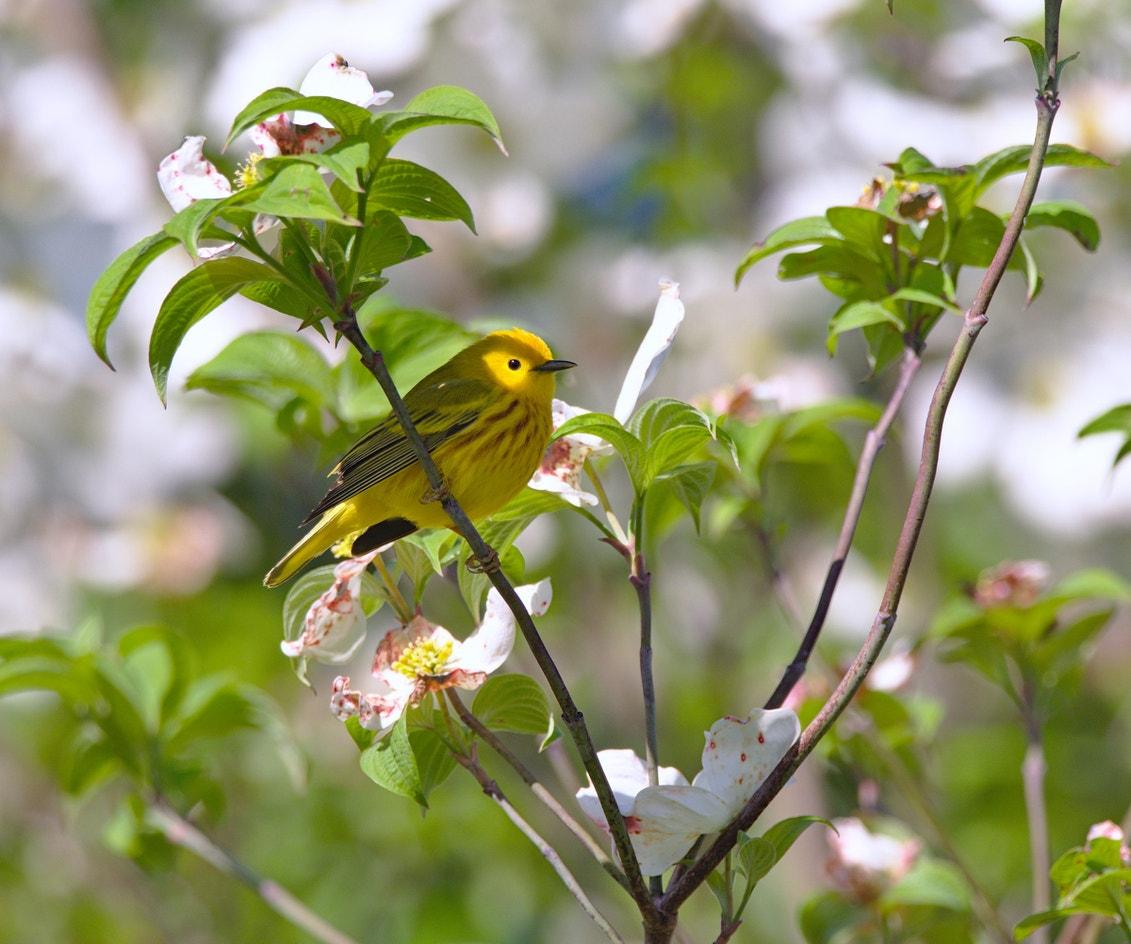
Spring is one of Wisconsin's most exciting birding seasons. As daylight increases and temperatures begin to rise, birds return from their wintering grounds, filling forests, wetlands, grasslands, and backyards with activity.
Waterfowl and early migrants begin appearing as ice retreats from lakes and rivers. As spring progresses, warblers, vireos, thrushes, orioles, and other songbirds move through Wisconsin, creating excellent opportunities for birdwatchers.
What to Watch For
- Returning ducks, geese, and other waterbirds.
- Warblers and other colorful migrating songbirds.
- Increasing bird songs and territorial displays.
- Courtship behavior and early nest building.
- Birds moving through woodland edges, wetlands, and lakeshores.
Wisconsin Birding Tip
Spring migration often produces exciting sightings after favorable weather conditions. Visit wooded parks, lakeshores, and wetland trails early in the morning, when birds are frequently active and vocal.
Spring is an excellent time to practice identifying birds by their songs, calls, and movements.
Summer Birding in Wisconsin
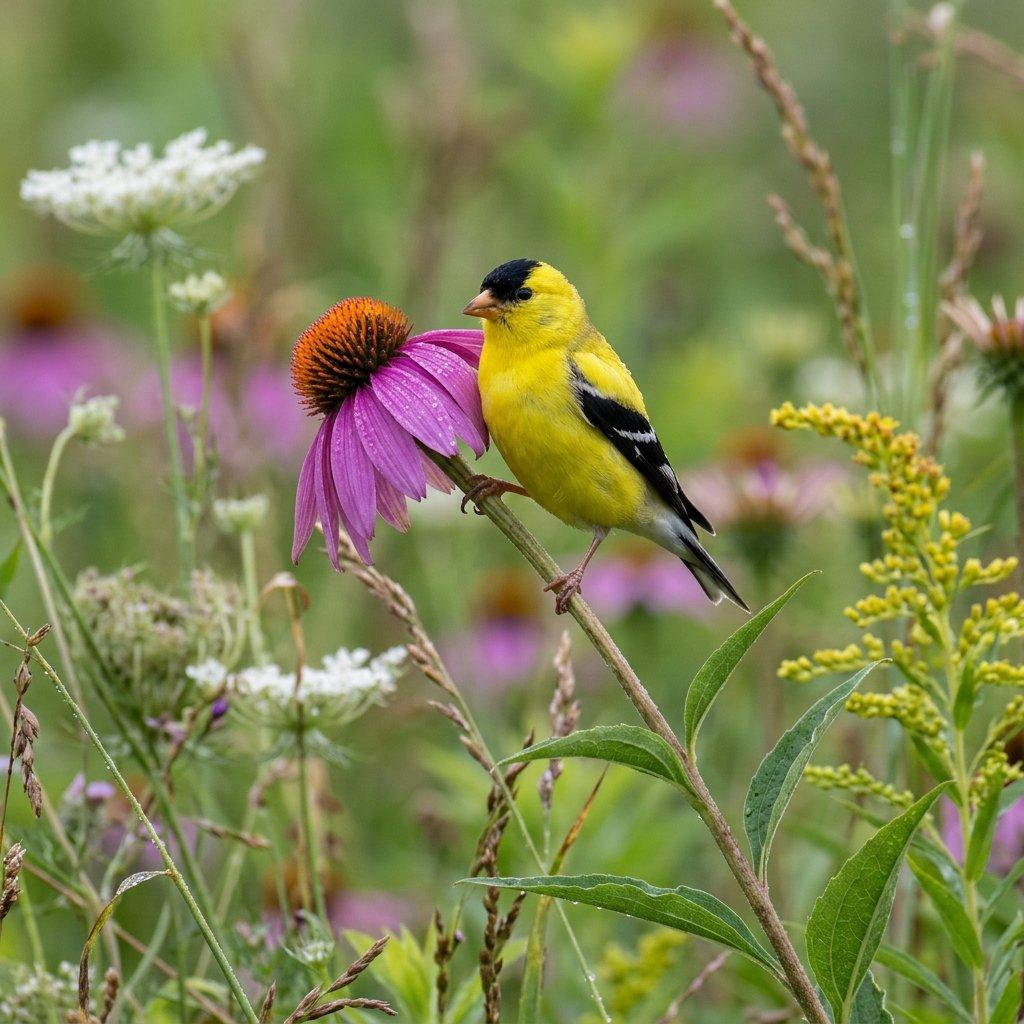
Summer brings a different kind of birdwatching experience to Wisconsin. Many migratory birds have settled into their breeding territories, while resident species are busy feeding young and defending nesting areas.
Bird songs may become less frequent as the season progresses, but careful observation reveals fascinating behaviors, including adults carrying food, recently fledged birds exploring their surroundings, and families moving through their habitats.
Prairies, woodland edges, marshes, gardens, and lakeshores offer excellent summer birding opportunities.
What to Watch For
- Adult birds carrying food for their young.
- Recently fledged songbirds learning to forage.
- American Goldfinches feeding on wildflower seeds.
- Swallows and other aerial insect-eaters over open areas.
- Herons, egrets, and other wetland birds.
- Late-season nesting activity among species such as American Goldfinches.
Wisconsin Birding Tip
Summer birdwatching can be especially productive during the cooler morning hours. Visit prairies and wildflower meadows to watch birds feeding, and explore wetland edges for herons, swallows, and other active species.
Observe nesting birds and fledglings from a respectful distance to avoid disturbing them.
Fall Birding in Wisconsin
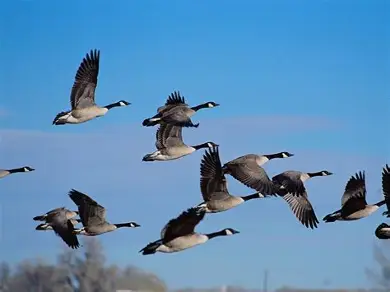
Fall transforms Wisconsin's birding landscape. As summer gives way to cooler temperatures, many birds begin their southward journeys, moving through forests, fields, river valleys, wetlands, and along the Great Lakes.
Fall migration can be more challenging than spring because many birds are quieter, and some have changed into less colorful plumage. These differences make fall an excellent season for developing identification skills.
Migrating hawks, waterfowl, sparrows, and songbirds offer rewarding opportunities throughout the state.
What to Watch For
- Southbound warblers, thrushes, and other songbirds.
- Hawks and other migrating birds of prey.
- Ducks and geese gathering on lakes and wetlands.
- Sparrows feeding in grasslands and weedy fields.
- Birds changing into nonbreeding plumage.
- Flocks gathering before migration or winter.
Wisconsin Birding Tip
Look for migrating birds along woodland edges, river corridors, lakeshores, and other natural travel routes.
During fall, pay attention to body shape, wing markings, behavior, and calls rather than relying entirely on bright breeding colors.
winter Birding in Wisconsin
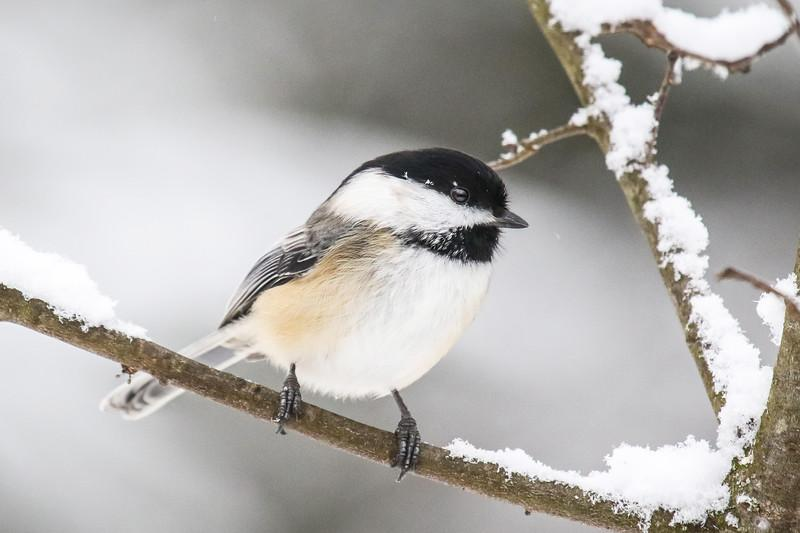
Winter may seem quiet in Wisconsin, but it offers a surprisingly rewarding birdwatching experience. With fewer leaves on trees, many birds become easier to spot, and their movements stand out against snow-covered landscapes.
Resident birds such as Black-capped Chickadees, Northern Cardinals, Blue Jays, woodpeckers, and American Crows remain active throughout the colder months.
Some northern species also move into Wisconsin during winter, depending on food availability and seasonal conditions.
What to Watch For
- Black-capped Chickadees and other hardy woodland residents.
- Northern Cardinals visiting shrubs and backyard feeders.
- Woodpeckers searching tree trunks for insects.
- Mixed flocks of small winter songbirds.
- Wintering ducks on open water.
- Occasional northern visitors, such as Common Redpolls or Snowy Owls.
Wisconsin Birding Tip
Look for birds near sheltered woodland edges, evergreen trees, seed-rich fields, and unfrozen waterways.
Backyard feeders can provide enjoyable viewing opportunities, especially during cold weather. Keep feeders clean and offer appropriate foods such as black-oil sunflower seeds and suet.
Understanding Wisconsin's Seasonal Birds
The birds you see in Wisconsin depend on more than the calendar. Seasonal changes in daylight, temperature, food availability, and habitat conditions influence where birds live and how they behave.
Year-Round Residents
Some birds remain in Wisconsin throughout the year. Black-capped Chickadees, Northern Cardinals, Downy Woodpeckers, and American Crows are familiar examples.
Summer Breeding Birds
Many species return to Wisconsin during spring and remain through summer to nest and raise their young. Baltimore Orioles, Ruby-throated Hummingbirds, and many warblers are examples.
Migrating Birds
Some birds pass through Wisconsin primarily during spring and fall migration. These seasonal visitors may be seen for only a short period before continuing their journeys.
Winter Visitors
Certain birds arrive from northern breeding areas during the colder months. Their presence can vary considerably from one winter to another, depending on conditions and food supplies.
Learning these seasonal patterns helps birdwatchers understand why familiar species appear, disappear, or become more noticeable at different times of year.
Explore Wisconsin Birding All Year Long
Every season brings something different to Wisconsin birding. Spring introduces returning migrants and new songs. Summer reveals nesting activity and growing bird families. Fall brings migration and changing landscapes, while winter offers opportunities to appreciate the remarkable birds that endure Wisconsin's coldest months.
The more you observe birds throughout the year, the more you'll begin to notice seasonal patterns in their movements, appearances, and behavior.
At Birding Detective, we encourage you to explore Wisconsin's natural places, notice the changes each season brings, and connect with the birds that make every month worth discovering.
Explore. Notice. Connect.