canada goose
Listen to the Canada Goose
Scientific name: Branta canadensis
Family: Anatidae (Ducks, Geese, and Swans)
By Les Miller
introduction/overview
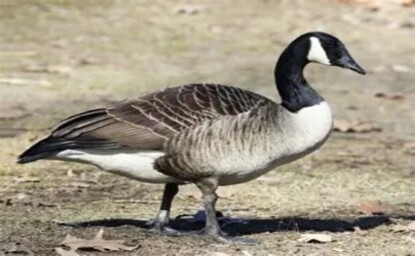
The Canada Goose is one of Wisconsin's most familiar and recognizable water birds. With its black head and neck, distinctive white chinstrap, and brownish-gray body, this large goose is a common sight on lakes, rivers, wetlands, farm fields, and even neighborhood ponds.
Known for its loud, honking calls and impressive V-shaped flight formations, the Canada Goose is especially noticeable during spring and fall migration. Many Canada Geese also remain in Wisconsin year-round wherever open water and food are available.
Whether you're watching a pair escorting their goslings across a pond or listening to a flock calling overhead, Canada Geese offer plenty of opportunities to observe fascinating bird behavior.
How to Identify the Canada Goose
The Canada Goose is a large, long-necked water bird with a distinctive appearance that makes it easy to recognize. Its most noticeable features are a black head and neck, a broad white chinstrap extending across its cheeks, and a brownish-gray body with a lighter breast.
Adult Canada Geese typically measure 30–43 inches long, with a wingspan of approximately 50–73 inches. Their broad wings, sturdy bodies, and long black necks create a recognizable silhouette, especially when flying overhead.
Males and females look nearly identical, although males are generally somewhat larger. Young Canada Geese, called goslings, are covered in soft yellowish and olive-gray down before developing their adult plumage.
When identifying a Canada Goose in Wisconsin, look for its bold black-and-white head pattern, long neck, dark bill, and strong, steady wingbeats. These features help distinguish it from other waterfowl, including smaller Cackling Geese, which have shorter necks and more compact bodies.
Sounds and Behavior
Canada Geese are well known for their loud, unmistakable honking calls. These vocalizations help flock members stay in contact while flying, feeding, or moving between wetlands. Geese also produce softer calls, hisses, and other sounds when communicating with their mates, goslings, or nearby birds.
Canada Geese are highly social birds that often gather in large flocks, particularly during migration and winter. Their familiar V-shaped flight formations help flock members coordinate their movements and may reduce the energy required for long-distance travel.
During the breeding season, Canada Geese become especially protective of their nests and young. Adults may stretch their necks, hiss, spread their wings, or charge toward animals and people they perceive as threats. Both parents help protect their goslings.
Canada Geese form long-term pair bonds and are often seen traveling, feeding, and resting together. Their strong family relationships make them particularly interesting birds to observe around Wisconsin's lakes, ponds, and wetlands.
Habitat and Diet
Canada Geese are adaptable water birds that live in a wide variety of habitats throughout Wisconsin. They are commonly found around lakes, ponds, rivers, marshes, wetlands, and reservoirs. They also frequently visit city parks, golf courses, agricultural fields, and grassy areas near water.
Canada Geese prefer places where open water provides safety and nearby grasslands offer convenient feeding opportunities. During migration, large flocks may gather in harvested cornfields and other agricultural areas, feeding on leftover grain before returning to nearby lakes or wetlands to rest.
Unlike many ducks, Canada Geese feed primarily on plant material. Their diet includes grasses, sedges, aquatic vegetation, seeds, grains, and berries. They often graze on land, using their strong bills to clip short grasses and other vegetation.
Although Canada Geese are excellent swimmers, they feed mostly on land. Birders can often watch them grazing in groups along shorelines or in open fields, especially during the morning and late afternoon.
When and Where to Find Canada Geese in Wisconsin
Canada Geese are common throughout Wisconsin, making them one of the state's most familiar waterfowl. They inhabit lakes, rivers, ponds, marshes, and open grassy areas in both rural and urban communities.
Spring and fall are especially rewarding times to observe Canada Geese. During spring migration, generally from March through April, flocks move northward as lakes and wetlands begin to thaw. In fall, particularly from September through November, migrating geese gather in large groups before continuing toward warmer areas.
Many Canada Geese remain in Wisconsin year-round, especially in southern parts of the state where open water and reliable food sources are available. During particularly cold winters, however, geese may move to areas where rivers, lakes, or other waterways remain unfrozen.
Good places to look include Horicon Marsh, the Upper Mississippi River wetlands, Lake Winnebago, and local parks with ponds or lakes. Agricultural fields near wetlands can also attract large feeding flocks during migration.
For the best viewing opportunities, visit wetlands and lakeshores during the early morning or late afternoon. Watch for geese grazing along shorelines, swimming in family groups, or flying overhead in their familiar V-shaped formations.
Nesting and Family Life
Canada Geese usually begin nesting in Wisconsin during early spring, often from March through May, depending on weather conditions. They prefer nesting sites near water, including marshes, pond edges, small islands, and grassy shorelines.
The female builds a large, shallow nest using grasses, reeds, and other plant material, then lines it with soft down feathers. A typical clutch contains 4–7 creamy white eggs, which the female incubates for approximately 25–28 days while the male remains nearby to help defend the nesting territory.
Shortly after hatching, the goslings can walk, swim, and feed themselves, though they remain under their parents' protection. Young geese are covered in soft yellowish and gray down and can often be seen following adults in orderly family groups across ponds and grassy areas.
Both parents protect and guide their young throughout the spring and summer. Canada Goose families sometimes gather together in larger groups, often called crèches, where several adults accompany multiple goslings.
As the young grow, they gradually develop their adult feathers and learn to fly at approximately 6–9 weeks of age. Family groups often remain together through their first fall migration, giving birders opportunities to observe the strong social bonds of these familiar Wisconsin water birds.
Observing Canada Geese in Wisconsin
Canada Geese are excellent for beginning birdwatchers because they are easy to recognize and can be seen in many Wisconsin parks, wetlands, and along lakeshores. Their large size and familiar behavior make them especially enjoyable to watch year-round.
Look for geese feeding along grassy shorelines, swimming in family groups, or resting together on open water. During spring and fall migration, listen for their familiar honking calls and watch for flocks traveling overhead in V-shaped formations.
Spring is a particularly interesting time to observe Canada Goose families. Watch from a respectful distance as adult geese guide their goslings across ponds and grassy areas. Avoid approaching nests or separating young geese from their parents, since adults can become defensive when protecting their families.
Binoculars allow you to observe the geese's behavior without disturbing them. When photographing geese, stay on established trails or in public viewing areas, and avoid feeding them bread or other human foods. Feeding wildlife can encourage unnatural behavior and create problems for both birds and people.
Whether you're visiting a large wildlife refuge or a neighborhood pond, take time to notice how Canada Geese communicate, interact, and respond to their surroundings. Even this familiar species can reveal something new each time you watch.