 |
 |
Lapham Peak
Lapham Peak, part of the Kettle Moraine State Forest near Delafield, is one of Waukesha County's most scenic destinations for birdwatching. Its rolling glacial hills, mature woodlands, restored prairies, and open meadows provide a variety of habitats for Wisconsin birds.
Woodland trails offer opportunities to observe woodpeckers, chickadees, nuthatches, and other resident songbirds. During spring and fall migration, warblers, vireos, thrushes, and other seasonal visitors may be encountered among the trees.
Prairie openings and woodland edges provide additional birding opportunities, especially during spring and summer when birds are singing, feeding, and raising their young.
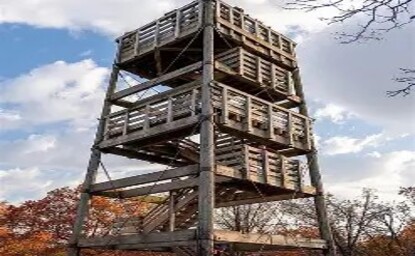
Lapham Peak is also known for its observation tower, extensive trail network, and beautiful views of the Kettle Moraine landscape. Visitors can explore everything from gentle walking paths to more challenging woodland trails.
Whether you're listening for migrating songbirds, exploring restored prairies, or enjoying a peaceful walk through the forest, Lapham Peak offers a rewarding birding experience throughout the year.
HABITATS AND BIRDS YOU MAY SEE
Hardwood Forests
Lapham Peak features mature hardwood forests, including oak, maple, and other deciduous trees. These woodlands provide important feeding, nesting, and sheltering habitats for many Wisconsin birds.
Look for Black-capped Chickadees, White-breasted Nuthatches, Downy Woodpeckers, Red-bellied Woodpeckers, and Blue Jays throughout the year.
During spring migration, the forest canopy may attract warblers, vireos, thrushes, and other woodland songbirds. Listen carefully for their songs and watch for movement among emerging leaves.
Restored Prairies and Open Meadows
Lapham Peak's restored prairie areas and open meadows offer a different birding experience from its wooded trails.
Watch for American Goldfinches, Song Sparrows, Eastern Bluebirds, and Eastern Kingbirds around prairie edges and scattered trees.
During warmer months, native grasses and wildflowers attract insects that provide food for many bird species.
Woodland Edges and Shrubby Areas
Transitions between forest, prairie, and shrubs can be especially productive for birdwatching.
Gray Catbirds, Eastern Towhees, Indigo Buntings, and other birds associated with brushy habitats may be encountered during spring and summer.
These edge habitats provide feeding opportunities, nesting cover, and sheltered places for migrating songbirds.
Glacial Hills and Forest Trails
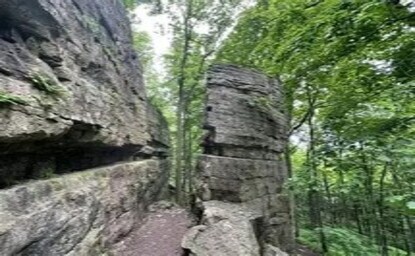
The rolling terrain of the Kettle Moraine creates a mixture of wooded slopes, valleys, and open areas.
Birdwatchers exploring different elevations and forest openings may encounter a variety of species, depending on the season.
The observation tower provides panoramic views of the surrounding landscape and opportunities to scan the sky for soaring birds.
Seasonal Birding Variety
Spring and fall migration bring changing combinations of songbirds through Lapham Peak's forests and open habitats.
Summer provides opportunities to observe nesting birds, while winter offers quieter woodland walks with resident species such as chickadees, nuthatches, and woodpeckers.
Exploring several habitat types during one visit can make Lapham Peak a rewarding destination throughout the year.
BEST TIMES TO VISIT LAPHAM PEAK
Spring — March through May
Spring is one of the most rewarding seasons for birdwatching at Lapham Peak. As temperatures rise, resident birds become more vocal, and migrating species begin returning to the Kettle Moraine woodlands.
April and May are especially productive for migrating warblers, vireos, thrushes, and other woodland songbirds. Forest trails and woodland edges offer excellent opportunities to observe these seasonal visitors.
Summer — June through August
Summer provides opportunities to observe breeding birds, family groups, and activity throughout the forests and restored prairies.
Look for Eastern Bluebirds, American Goldfinches, Eastern Kingbirds, and other birds associated with open habitats. Woodland trails offer chances to observe woodpeckers, chickadees, and nesting songbirds.
Early morning visits are particularly enjoyable before temperatures rise and trails become busier.
Fall — September through November
Fall migration brings southbound songbirds through Lapham Peak's forests and open areas.
September and October can be especially rewarding as the hardwood forests turn brilliant shades of red, orange, and gold.
Listen for migrating songbirds along woodland edges and watch for soaring hawks and other raptors over the glacial hills.
Winter — December through February
Winter offers quieter birding opportunities among snow-covered forests and open meadows.
Look for Black-capped Chickadees, White-breasted Nuthatches, Downy Woodpeckers, Red-bellied Woodpeckers, and other resident birds.
Some trails may be designated for cross-country skiing or other winter recreation, so visitors should check seasonal trail rules before exploring.
Best Time of Day
Early morning generally provides the most active birdwatching, especially during spring and summer when birds are singing and feeding.
Late afternoon can also be productive along forest edges and prairie openings.
For the best experience, allow time to explore different habitats and choose trails that match your abilities and the seasonal conditions.
PARKING, TRAILS, AND FACILITIES
Parking and Access
Lapham Peak is part of the Kettle Moraine State Forest, located at W329N846 County Highway C near Delafield, Wisconsin. The entrance is approximately one mile south of Interstate 94.
Several parking areas provide access to the forest's trails, prairie habitats, and observation tower.
A Wisconsin State Park vehicle admission sticker is required for vehicles entering the property. Visitors should check current admission options before arriving.
Trails and Birding Opportunities
Lapham Peak offers more than 17 miles of interconnected loop trails through hardwood forests, restored prairies, woodland edges, and rolling glacial terrain.
Approximately four miles of the Ice Age National Scenic Trail pass through the property.
Birdwatchers can explore forest trails for woodpeckers and migrating songbirds or visit prairie areas for birds associated with open habitats.
Trail difficulty varies, with some routes crossing steep hills and uneven terrain. Paths may become muddy or slippery after rainfall.
Observation Tower
A 45-foot observation tower stands near the highest point in Waukesha County.
Visitors who climb the tower can enjoy panoramic views of the surrounding Kettle Moraine landscape. It also provides opportunities to scan the sky for soaring birds.
Facilities and Accessibility
Lapham Peak offers parking areas, restrooms, picnic facilities, shelters, and the Hausmann Nature Center.
The 1.8-mile paved Pine Grove Path provides an accessible route through prairie and wooded habitats. Other trails vary in difficulty and surface conditions.
Visitors with mobility concerns should consult the official trail information before selecting a route.
Hours and Visitor Guidelines
Lapham Peak is open daily from 6:00 a.m. to 9:00 p.m., year-round.
Dogs are permitted on designated trails but must remain on a leash no longer than eight feet.
During winter, hiking and snowshoeing are prohibited on groomed cross-country ski trails when they are snow-covered. Visitors should follow posted seasonal trail restrictions.
Birdwatchers should remain on designated trails, respect wildlife, and avoid disturbing sensitive habitats.
For current trail conditions, visitors can call the Lapham Peak Trail Information Line at 262-646-4421.
BIRDING TIPS FOR LAPHAM PEAK
Start Early in the Woodlands
Early morning is often the most productive time for birdwatching at Lapham Peak, particularly during spring migration. Listen for warblers, vireos, thrushes, and other songbirds moving through the hardwood forests.
Pause frequently along wooded trails to listen for songs and watch for movement among branches. Birds may be easier to observe before the trails become busy with other visitors.
Explore the Prairie and Woodland Edges
Lapham Peak's restored prairies offer opportunities to observe American Goldfinches, Eastern Bluebirds, Song Sparrows, and other birds associated with open habitats.
Woodland edges can be especially productive because they attract birds that use both forest and open areas.
Watch the Skies from Open Areas
The observation tower and open prairie areas provide opportunities to scan the surrounding landscape for soaring hawks and other raptors.
During migration, watch for birds moving above the wooded hills, particularly when conditions favor soaring.
Choose Trails That Match Your Abilities
Lapham Peak's glacial terrain includes steep slopes and uneven paths. Review trail maps before starting and choose a route appropriate for your comfort and mobility.
The paved Pine Grove Path offers an alternative to more challenging woodland trails.
Prepare for Changing Conditions
Bring binoculars, drinking water, and comfortable walking shoes. During warmer months, insect repellent and sun protection can make longer walks more enjoyable.
In winter, check trail conditions and seasonal restrictions before visiting. Groomed cross-country ski trails may be closed to hikers when snow-covered.
Respect Wildlife and Natural Habitats
Remain on designated trails, observe birds from a respectful distance, and avoid disturbing nests or young birds.
Keeping dogs leashed where permitted and following park regulations helps protect wildlife and provides a positive experience for other visitors.
With its mixture of hardwood forests, restored prairies, and scenic glacial hills, Lapham Peak offers opportunities to observe Wisconsin birds in every season.