 |
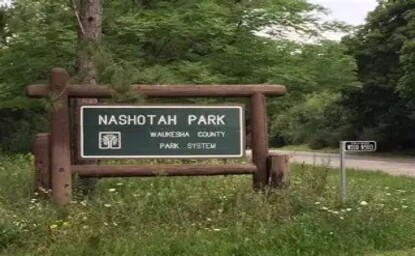 |
Nashotah Park
Nashotah Park is one of Waukesha County's most scenic destinations for birdwatching. Located in Wisconsin's Lake Country, this beautiful county park features rolling glacial hills, mature woodlands, open grasslands, wetlands, and two natural lakes.
Forest Lake and Grass Lake provide valuable habitat for waterbirds, particularly during spring and fall migration. Their largely undeveloped shorelines offer opportunities to observe ducks, herons, and other birds associated with lakes and wetlands.
The park's woodlands, oak savannas, and cedar glades create additional birding opportunities. Visitors may encounter woodpeckers, chickadees, nuthatches, Blue Jays, and a variety of migrating songbirds.
Open meadows and restored prairie areas attract birds associated with grasslands and woodland edges. The combination of habitats makes Nashotah Park a rewarding place to explore during every season.
With its extensive walking trails, peaceful lakeshores, and diverse natural landscapes, Nashotah Park offers enjoyable birdwatching opportunities for beginners and experienced birders alike.
HABITATS AND BIRDS YOU MAY SEE
Lakes and Wetlands
Nashotah Park includes two natural lakes, Forest Lake and Grass Lake, surrounded by wetlands and largely undeveloped shorelines. These habitats provide opportunities to observe waterbirds, especially during spring and fall migration.
Watch for Mallards, Wood Ducks, Canada Geese, Great Blue Herons, and other waterbirds. During migration, additional duck species may appear on the lakes.
Hardwood Forests and Woodlands
The park's mature woodlands provide habitat for many familiar Wisconsin birds.
Look for Black-capped Chickadees, White-breasted Nuthatches, Downy Woodpeckers, Red-bellied Woodpeckers, Blue Jays, and Northern Cardinals throughout the year.
During spring migration, warblers, vireos, thrushes, and other songbirds may move through the forest canopy.
Oak Savannas and Cedar Glades
Nashotah Park's oak savannas and cedar glades create a mixture of open and wooded habitats.
Eastern Bluebirds, Northern Flickers, and other birds associated with woodland openings may be encountered in suitable areas.
These habitats provide additional feeding and nesting opportunities for birds that use both trees and open spaces.
Prairies and Grasslands
Open meadows and restored prairie areas support birds associated with grasslands and woodland edges.
Watch for American Goldfinches, Song Sparrows, Eastern Kingbirds, and other species using tall grasses, scattered shrubs, and open perches.
Seasonal Birding Variety
Nashotah Park's combination of lakes, wetlands, forests, and grasslands makes it an interesting birding destination throughout the year.
Spring and fall bring migrating waterfowl and songbirds. Summer provides opportunities to observe breeding birds, while winter offers quieter outings with resident woodland species.
Exploring several habitat types during one visit can help birdwatchers encounter a wider variety of Wisconsin birds.
BEST TIMES TO VISIT NASHOTAH PARK
Spring — March through May
Spring is one of the most rewarding seasons for birdwatching at Nashotah Park. As temperatures warm and the lakes begin to open, migrating ducks and other waterbirds may stop at Forest Lake and Grass Lake.
March and April can be especially interesting for waterfowl migration. Look for ducks, geese, and other waterbirds along the shorelines.
During April and May, migrating warblers, vireos, thrushes, and other songbirds move through the park's woodlands. Listen for birds singing among the trees and watch for movement along forest edges.
Summer — June through August
Summer brings nesting activity throughout Nashotah Park's woodlands, wetlands, and grasslands.
Visitors may observe Eastern Bluebirds, American Goldfinches, Eastern Kingbirds, and other birds using open habitats. Woodpeckers, chickadees, and other woodland birds remain active in forested areas.
Early morning is generally the best time to explore before temperatures rise and recreational activity increases.
Fall — September through November
Fall migration provides another rewarding opportunity to visit Nashotah Park.
September and October bring southbound songbirds through the woodlands and forest edges. As the season progresses, migrating ducks and other waterbirds may gather on the lakes.
The park's rolling hills and colorful hardwood forests also provide beautiful autumn scenery.
Winter — December through February
Winter offers a quieter birdwatching experience, particularly in sheltered woodlands.
Look for Black-capped Chickadees, White-breasted Nuthatches, Downy Woodpeckers, Red-bellied Woodpeckers, and other resident birds.
Open water may attract wintering waterbirds when conditions permit, although lake ice can limit viewing opportunities.
Snow and ice may affect trail conditions, and some trails may be designated for winter recreation. Visitors should check current park information before heading out.
Best Time of Day
Early morning is usually the most productive time for birdwatching at Nashotah Park, especially during spring and summer.
Birds are often more active and vocal shortly after sunrise, when the woodlands and lakeshores are relatively quiet.
Late afternoon can also be productive, particularly around wetland edges, open meadows, and the lakes.
For the best experience, allow enough time to explore several habitats. A combination of woodland trails, prairie openings, and lake views can provide opportunities to observe different groups of Wisconsin birds.
PARKING, TRAILS, AND FACILITIES
Parking and Access
Nashotah Park is located at W330 N5113 County Road C in Nashotah, Wisconsin, north of Highway 16.
The park provides several parking areas with access to nature trails, wooded habitats, open grasslands, and recreational facilities.
A Waukesha County Parks annual membership or daily vehicle permit is required for each vehicle entering the park. Visitors should check current permit information before arriving.
Trails and Birding Opportunities
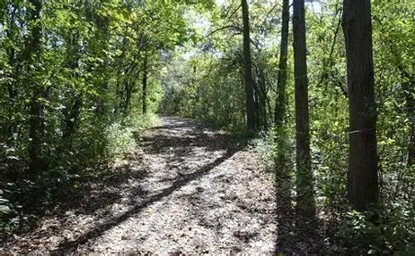
Nashotah Park offers an extensive network of nature and hiking trails through rolling glacial hills, hardwood forests, oak savannas, wetlands, and open meadows.
The trail system includes several marked loops ranging from short walks to routes of more than three miles. Some trails cross steep or uneven terrain, while others provide gentler walking opportunities.
Birdwatchers can explore woodland trails for woodpeckers and songbirds, follow prairie edges for open-country species, or visit areas overlooking Forest Lake and Grass Lake to watch for waterbirds.
Trail conditions may vary with weather and seasonal maintenance.
Forest Lake and Grass Lake
The park's two natural lakes provide valuable habitat for ducks, geese, herons, and other waterbirds.
Forest Lake offers carry-in access for canoes and kayaks. Both lakes provide opportunities to observe birds associated with open water, wetlands, and natural shorelines.
Birdwatchers should use designated trails and access points to avoid disturbing sensitive shoreline habitats.
Facilities and Accessibility
Nashotah Park provides parking, restrooms, drinking water, picnic areas, and recreational facilities.
Trail surfaces and difficulty vary throughout the park. Some routes include steep hills, natural surfaces, and uneven ground that may present challenges for visitors with limited mobility.
Visitors seeking accessible facilities or suitable walking routes should consult the official park map or contact Waukesha County Parks before their visit.
Park Hours and Visitor Guidelines
Nashotah Park is open daily from sunrise until 10:00 p.m.
Dogs are permitted in designated areas under park rules. The park also includes separate fenced dog exercise areas for large and small dogs.
During winter, designated trails are available for hiking, snowshoeing, and dog walking. Parking for winter trail access is available at Picnic Areas 1 and 2.
Visitors should respect wildlife, remain on designated trails, follow posted regulations, and avoid disturbing nesting birds.
For current park information, trail maps, and seasonal conditions, consult the Waukesha County Parks website.
BIRDING TIPS FOR NASHOTAH PARK
Begin Your Visit Near the Lakes
Forest Lake and Grass Lake are excellent places to begin exploring Nashotah Park's birdlife, particularly during spring and fall migration.
Bring binoculars and scan open water, shoreline vegetation, and nearby trees for ducks, geese, herons, and other waterbirds. Early morning often provides quieter conditions for observation.
Explore the Woodland Trails
Nashotah Park's hardwood forests provide opportunities to observe Black-capped Chickadees, White-breasted Nuthatches, woodpeckers, and other resident birds.
During spring migration, listen for warblers, vireos, and thrushes moving through the canopy. Pause frequently along the trails to locate birds by their songs and calls.
Watch Prairie and Woodland Edges
The park's grasslands, oak savannas, and woodland openings offer opportunities to observe Eastern Bluebirds, American Goldfinches, Song Sparrows, and other birds associated with open habitats.
Watch for birds perched on shrubs, small trees, and exposed branches. Woodland edges are particularly interesting because they bring together species from several habitat types.
Visit During Spring and Fall Migration
Spring and fall are especially rewarding seasons because Nashotah Park attracts both migrating waterbirds and woodland songbirds.
In early spring, focus on the lakes for migrating ducks and geese. As May approaches, explore the woodlands for warblers and other returning songbirds.
During fall, watch the lakes for migrating waterfowl and the forest edges for southbound songbirds.
Choose Trails That Match Your Abilities
Nashotah Park's glacial landscape includes rolling hills, natural trail surfaces, and occasional steep slopes.
Review the park's trail map before starting your walk. Select a route appropriate for your comfort and mobility, and allow extra time for stopping to observe birds.
Prepare for Changing Weather and Trail Conditions
Wear comfortable walking shoes and bring binoculars, drinking water, and clothing appropriate for the season.
In warmer months, insect repellent and sun protection can make birdwatching more enjoyable. After rainfall, some natural trails may become muddy or slippery.
During winter, check trail conditions and follow posted restrictions for seasonal recreation.
Respect Wildlife and Other Visitors
Remain on designated trails, observe birds from a respectful distance, and avoid disturbing nesting areas or sensitive shoreline habitats.
Keep dogs under control and follow park regulations, particularly near wildlife habitats and designated dog exercise areas.
Nashotah Park's combination of lakes, wetlands, woodlands, and open grasslands makes it a rewarding destination for discovering Wisconsin birds throughout the year.