 |
 |
Retzer Nature Center
Retzer Nature Center is one of Waukesha County's most rewarding places to birdwatch and explore Wisconsin's natural landscapes. Located west of Waukesha, this 483-acre nature preserve features restored prairies, hardwood forests, pine plantations, wetlands, and peaceful walking trails.
The variety of habitats makes Retzer an appealing destination year-round. Open grasslands provide opportunities to observe sparrows, Eastern Bluebirds, and other prairie birds, while wooded trails offer chances to discover woodpeckers, chickadees, nuthatches, and migrating songbirds.
Wetlands, ponds, and marshy areas attract additional species, including waterbirds and birds associated with wetland vegetation. During spring and fall migration, birdwatchers may encounter an especially interesting variety of species moving through the property.
Retzer Nature Center also offers environmental education programs, scenic trails, and opportunities to learn about Wisconsin's native plants and wildlife.
Whether you're exploring the prairie in search of grassland birds or listening for songbirds along a wooded trail, Retzer Nature Center offers an enjoyable birdwatching experience for visitors of all skill levels.
HABITATS AND BIRDS YOU MAY SEE
Prairies and Open Grasslands
Retzer Nature Center features restored prairies and open grasslands that provide feeding and nesting habitat for many birds.
Look for American Goldfinches, Eastern Bluebirds, Song Sparrows, and Eastern Kingbirds around prairie edges and scattered trees. During spring and summer, listen for birds singing from exposed perches and watch for activity among native grasses and wildflowers.
Woodlands and Pine Plantations
Retzer's hardwood forests and pine plantations offer opportunities to observe woodland birds year-round.
Common species to watch for include Black-capped Chickadees, White-breasted Nuthatches, Downy Woodpeckers, Red-bellied Woodpeckers, Blue Jays, and Northern Cardinals.
During spring migration, warblers, vireos, thrushes, and other songbirds may move through the wooded areas.
Wetlands and Ponds
Wetlands, ponds, and marshy areas provide additional birding opportunities. Depending on the season and water conditions, visitors may encounter Mallards, Great Blue Herons, Red-winged Blackbirds, and other wetland-associated birds.
Look carefully along pond edges and listen for calls coming from dense vegetation.
Woodland Edges and Shrubby Areas
The transition areas between forests, prairies, and shrubs can be especially productive for birdwatching.
Gray Catbirds, Eastern Towhees, Indigo Buntings, and other birds associated with brushy habitats may be encountered during the warmer months.
Seasonal Birding Variety
Retzer's mix of prairies, forests, wetlands, and shrubby habitats creates birdwatching opportunities year-round.
Spring and fall bring migrating songbirds, summer offers opportunities to observe breeding birds, and winter provides quieter outings with resident woodland species.
Exploring several habitat types during one visit can help birdwatchers discover a wider variety of Wisconsin birds..
BEST TIMES TO VISIT RETZER NATURE CENTER
Spring — March through May
Spring is one of the most rewarding seasons for birdwatching at Retzer Nature Center. As temperatures rise, returning birds become more active in the prairies, woodlands, and wetland areas.
April and May are especially productive for migrating warblers, vireos, thrushes, and other songbirds. Woodland trails and forest edges can provide excellent opportunities to observe these seasonal visitors.
Summer — June through August
Summer offers opportunities to observe nesting birds, family groups, and active prairie species.
Look for Eastern Bluebirds, American Goldfinches, Eastern Kingbirds, and other birds associated with open habitats. Native wildflowers and grasses attract insects that feed many bird species.
Early morning visits are especially enjoyable before temperatures rise.
Fall — September through November
Fall migration brings southbound songbirds through Retzer's woodlands and open habitats. September and October can be particularly rewarding as prairie grasses turn golden and woodland leaves change color.
Watch for migrating birds along woodland edges, shrubby areas, and the boundaries between different habitats.
Winter — December through February
Winter offers a quieter birding experience. Look for resident birds such as Black-capped Chickadees, Northern Cardinals, Blue Jays, White-breasted Nuthatches, and woodpeckers.
Bare trees can make these birds easier to spot, while snow-covered prairies and woodlands create beautiful winter scenery.
Best Time of Day
Early morning generally offers the most active birdwatching, especially in spring and summer when birds are singing and feeding.
Late afternoon can also be productive, especially around woodland edges and open grasslands.
For the best experience, allow time to explore multiple habitats and be prepared for changing trail conditions throughout the year.
PARKING, TRAILS, AND FACILITIES
Parking and Access
Retzer Nature Center is located at S14W28167 Madison Street in Waukesha, Wisconsin, approximately 2½ miles west of downtown Waukesha.
The entrance is on the south side of Madison Street, just east of County Road DT.
Admission and parking are free. Visitors can park in the designated lot near the Environmental Learning Center.
Trails and Birding Opportunities
Retzer offers several marked nature trails through prairies, woodlands, wetlands, and other natural habitats.
Trail options include the 2.6-mile Yellow Loop, 1.1-mile Blue Loop, and shorter routes suitable for visitors who prefer a more relaxed walk.
Birdwatchers can explore prairie edges for open-country birds, woodland trails for songbirds and woodpeckers, and wetland areas for birds associated with water and marsh vegetation.
Trail surfaces vary, and some paths may become muddy or slippery after rain or during seasonal transitions.
Facilities and Visitor Center
The Environmental Learning Center provides educational programs, visitor information, and indoor facilities.
The official trail map identifies restrooms, drinking water, and parking.
Office hours are generally Monday through Friday, 8:00 a.m. to 4:30 p.m., and Saturday, 10:00 a.m. to 3:00 p.m. The office is closed Sundays and county-observed federal holidays.
Accessibility
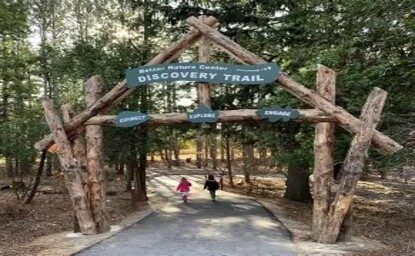
Retzer's Discovery Trail includes a paved path and boardwalk leading toward Retzer Creek. The approximately quarter-mile accessible trail includes educational exploration stations and is designed to accommodate visitors with different mobility needs.
Other trails vary in terrain and accessibility. Visitors should review the trail map before choosing a route.
Hours and Visitor Guidelines
Nature trails are open daily from 6:00 a.m. to 10:00 p.m.
Dogs are not permitted at Retzer Nature Center, except service dogs as allowed under park policy.
Visitors should remain on designated trails, avoid disturbing wildlife, and leave plants and natural materials undisturbed.
Bicycles are not permitted on the nature trails.
Following these guidelines helps protect Retzer's sensitive habitats and provides a peaceful experience for birdwatchers and other visitors.
BIRDING TIPS FOR RETZER NATURE CENTER
Start Early and Listen Carefully
Early morning is often the most productive time for birdwatching at Retzer Nature Center. Listen for singing birds along woodland edges, prairie trails, and shrubby areas.
During spring migration, watch for warblers, vireos, and other songbirds moving through the trees. Pause frequently to listen and observe rather than walking continuously.
Explore Different Habitats
One of Retzer's greatest advantages is its variety of habitats. Begin along the prairie trails, where American Goldfinches, Eastern Bluebirds, and Eastern Kingbirds may be seen around open areas and scattered trees.
Continue into the woodlands to look for woodpeckers, chickadees, nuthatches, and other forest birds.
Wetland edges offer additional opportunities to see Red-winged Blackbirds, herons, and other water-associated birds.
Visit During Migration
April and May are particularly rewarding for spring migrants, while September and October offer opportunities to observe birds traveling south.
Different habitats attract different species, so exploring several areas during migration can make each visit more rewarding.
Bring the Right Equipment
Binoculars are especially useful for spotting birds in the forest canopy or across open prairie areas. A field guide or bird identification app can help identify unfamiliar species.
Wear comfortable walking shoes and bring drinking water. During warmer months, insect repellent and sun protection are also recommended.
Respect Wildlife and Natural Habitats
Remain on designated trails, observe birds from a respectful distance, and avoid disturbing nests or young birds.
Retzer Nature Center protects important prairie, woodland, and wetland habitats. Responsible birdwatching helps preserve these natural areas for wildlife and future visitors.
A Great Place to Build Birding Skills
With its mix of open prairies, woodlands, and wetlands, Retzer is an excellent place to practice identifying birds by sight, sound, and behavior.
Returning throughout the year offers opportunities to discover how Wisconsin's birdlife changes with the seasons.