Bark Bay Slough State Natural Area
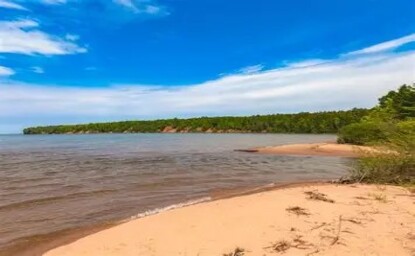
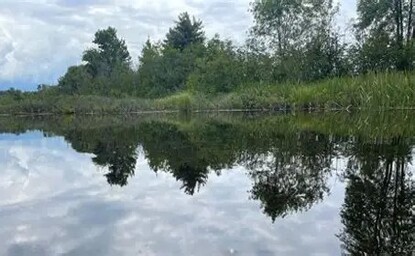
Located near Herbster in Bayfield County, Bark Bay Slough State Natural Area protects one of Lake Superior's remarkable coastal wetland environments. Its combination of open water, marshes, sedge meadows, and surrounding forest provides valuable habitat for resident and migrating birds.
A natural sand barrier separates the slough from Lake Superior, creating a sheltered wetland where aquatic plants and wildlife thrive. The surrounding landscape includes boggy areas, lowland vegetation, and forest edges that attract different bird species throughout the warmer months.
For Wisconsin birders, Bark Bay Slough offers opportunities to observe wetland birds, waterfowl, and woodland songbirds in a beautiful northern setting. Because much of the natural area is sensitive and not easily accessible on foot, visitors should observe birds from established public access points and avoid entering fragile wetland habitats.
Where to Bird at Bark Bay Slough
Bark Bay Slough offers several rewarding birdwatching opportunities along its wetlands, wooded edges, and sheltered lagoon. Although much of the natural area is difficult to explore on foot, visitors can enjoy birding from accessible roadside locations and the public boat landing.
Public Boat Landing: The boat landing on Bark Bay Road is a useful starting point for observing the lagoon and surrounding marsh vegetation. Watch for waterfowl, Sandhill Cranes, and other wetland birds. During the breeding season, listen for Sedge Wrens, Swamp Sparrows, and the distant calls of secretive marsh species.
Bark Bay Road: The roadside forest edges and wetlands offer opportunities to observe migrating warblers, sparrows, and other songbirds. The creek crossing along Bark Bay Road can be particularly productive for listening to marsh birds, including American Bitterns.
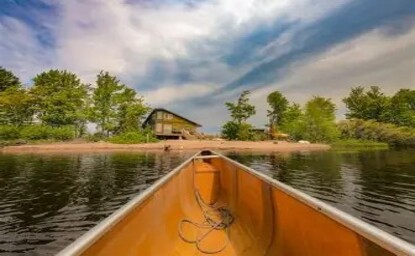
Lagoon and Wetland Edges: Birders with appropriate paddling experience can explore the sheltered lagoon by canoe or kayak, where permitted and conditions are safe. Quiet observation from the water may provide views of wetland birds and waterfowl that are difficult to see from shore.
Because Bark Bay Slough contains fragile bogs, fens, and sensitive wildlife habitats, visitors should use established public access areas, respect private property boundaries, and avoid disturbing nesting birds.
Birds You May See at Bark Bay Slough
Bark Bay Slough's coastal wetlands, sheltered waters, and surrounding forests attract a variety of birds throughout the warmer months. Spring and fall migration can be particularly rewarding, while summer offers opportunities to observe birds that nest in the area's marshes and woodlands.
Marsh and Wetland Birds: Listen for the distinctive calls of American Bitterns, Sedge Wrens, and Swamp Sparrows among the marsh vegetation. Sandhill Cranes may also be seen or heard near open wetlands, while secretive marsh birds often remain hidden in dense vegetation.
Waterfowl and Shorebirds: The sheltered lagoon and nearby Lake Superior shoreline can attract ducks, mergansers, and other waterbirds. During migration, watch for shorebirds feeding along exposed muddy edges and shallow-water areas when suitable conditions are present.
Woodland Songbirds: Forested areas surrounding the slough provide habitat for Black-capped Chickadees, woodpeckers, thrushes, and migrating warblers. Spring mornings are especially rewarding when birds are actively singing and moving through the trees.
Birds of Prey: Bald Eagles may be observed near Lake Superior, while Northern Harriers sometimes hunt low over open wetlands and grassy areas.
Because bird activity changes with the seasons, visitors are encouraged to bring binoculars, listen carefully, and spend time observing the different habitats around the slough.
Best Times to Visit Bark Bay Slough
Bark Bay Slough offers rewarding birding opportunities from spring through fall, with each season bringing different birds to its coastal wetlands, lagoon, and surrounding forests.
Spring (April–May): One of the best seasons to visit. Migrating warblers, sparrows, waterfowl, and shorebirds move through the area. Early mornings can be especially productive along Bark Bay Road and near the public boat landing.
Summer (June–August): Breeding birds become the main attraction. Listen for Sedge Wrens and Swamp Sparrows calling from the wetland vegetation. American Bitterns and other secretive marsh birds may be easier to hear than to see, particularly around dawn and dusk.
Fall (September–October): Migrating songbirds, shorebirds, and waterfowl provide another opportunity to explore the slough. Watch the lagoon and surrounding woodland edges as birds move south.
Winter (November–March): Birding is generally quieter, and snow, ice, and frozen wetlands can limit access. Resident woodland birds may still be present, but visitors should prepare for changing Lake Superior weather conditions.
For the greatest variety of birds, May through early June is an especially promising time to visit. Arriving around sunrise is ideal for woodland songbirds, while listening quietly near the wetlands at dawn or dusk can reveal secretive marsh species.
Tips for Visiting Bark Bay Slough
Bark Bay Slough is a beautiful but relatively undeveloped birding destination. Visitors should plan ahead, especially when exploring the wetlands and shoreline near Lake Superior.
Parking and Access: The public boat landing along Bark Bay Road provides a convenient starting point for birdwatching. From Herbster, travel northeast on Highway 13 for approximately 3.5 miles, then follow Bark Bay Road north and west for about half a mile to the landing. Roadside birding is another option where stopping is safe and permitted.
Footwear and Equipment: Wear sturdy, waterproof footwear because the surrounding ground can be wet and muddy. Bring binoculars for woodland and marsh birds, and consider a spotting scope for distant waterfowl and shorebirds.
Paddling Conditions: You can explore the sheltered lagoon by canoe or kayak, but the launch is shallow and may be muddy. Check weather conditions, water levels, and local boating regulations before heading out.
Facilities: Bark Bay Slough is a largely natural setting with limited visitor amenities. Bring drinking water, insect repellent, and any supplies you may need.
Protect the Wetlands: Stay within permitted public access areas, respect private property, and avoid walking through fragile bogs, fens, or nesting habitat. Leave plants and wildlife undisturbed so future visitors can enjoy this special place.
Seasonal Safety: Hunting is permitted on DNR-owned portions of the natural area during applicable seasons. Wear visible clothing when appropriate and check current regulations before visiting.
With thoughtful preparation and patient observation, Bark Bay Slough can provide an enjoyable birding experience while helping preserve one of Bayfield County's distinctive coastal wetlands.