
Birding in Bayfield County, Wisconsin
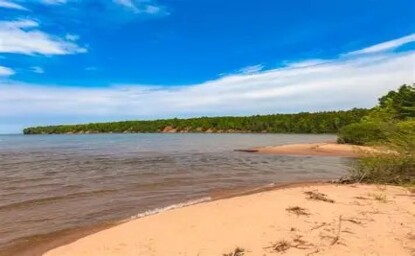
Located along the southern shore of Lake Superior, Bayfield County offers some of northern Wisconsin's most beautiful and varied birding habitats. From coastal wetlands and secluded woodland trails to boreal forests and scenic lakeshore overlooks, the county provides rewarding opportunities for birdwatchers throughout the year.
Spring and fall migrations bring warblers, thrushes, waterfowl, and other traveling birds through the region. During summer, northern forest species nest among the area's hardwoods, conifers, and brushy openings. Winter offers opportunities to search for resident woodland birds and occasional visitors along the Lake Superior shoreline.
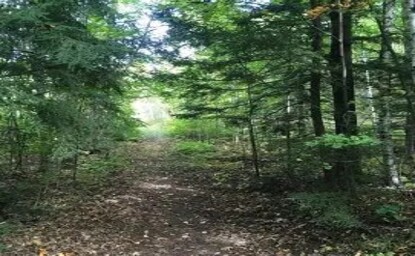
Whether you're exploring the wetlands of Bark Bay Slough, walking the forest trails of Frog Bay Tribal National Park, or enjoying the wooded ravines near Bayfield, you'll discover a wonderful variety of birds and natural landscapes. These three locations provide an excellent introduction to birding in Bayfield County.
 Bark Bay Slough State Natural Area
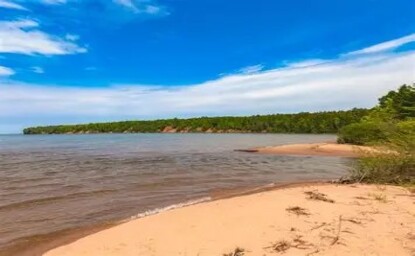
Lake Superior coastal wetlands, marshes,
and migrating waterbirds.
Explore Birding Place
 Frog Bay Tribal National Park
Boreal forest, woodland songbirds,
and Lake Superior shoreline.
Explore Birding Place
 Big Ravine Trail
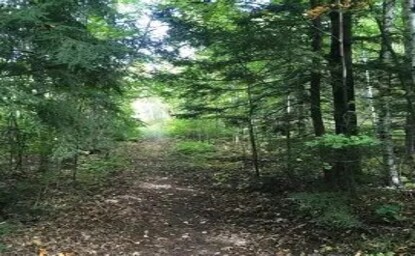
Forested ravines, migrating warblers,
and scenic woodland trails.
Explore Birding Place
Birding Habitats in Bayfield County
Bayfield County offers an impressive variety of birding habitats, shaped by Lake Superior, extensive northern forests, inland lakes, and wetlands. This combination attracts migrating birds while providing important nesting areas for many species that thrive in northern Wisconsin.
Along Lake Superior, rocky shorelines, beaches, coastal marshes, and sheltered bays provide opportunities to observe waterfowl, gulls, shorebirds, and migrating songbirds. Wetlands such as Bark Bay Slough support marsh birds, including Sedge Wrens and Swamp Sparrows, while the surrounding forests attract warblers and other woodland species.
Farther inland, hardwood forests, spruce and pine stands, bogs, and quiet lakes provide habitat for woodpeckers, thrushes, vireos, and numerous warblers. These varied landscapes make Bayfield County an especially rewarding destination for birders who want to explore different habitats within a single region.
Birds You May See in Bayfield County
Bayfield County is home to a fascinating variety of birds, from colorful woodland songbirds to waterfowl and marsh-dwelling species along Lake Superior. The birds you encounter will depend on the season, habitat, and time of day.
Forest Birds: Northern hardwoods and conifer forests provide habitat for Black-capped Chickadees, Red-breasted Nuthatches, Ruffed Grouse, and numerous warblers. During spring and summer, listen for the songs of Magnolia Warblers, Black-and-white Warblers, and Northern Parulas.
Wetland and Marsh Birds: Coastal wetlands such as Bark Bay Slough offer opportunities to observe Swamp Sparrows, Sedge Wrens, American Bitterns, and Northern Harriers. Secretive rails may also be present, although they are often easier to hear than to see.
Lake Superior Birds: Along the shoreline, watch for Common Loons, Red-breasted Mergansers, gulls, and migrating shorebirds. Bald Eagles may be seen soaring overhead or perched near the water.
Migrating Birds: Spring and fall bring changing waves of warblers, thrushes, sparrows, and other songbirds. Shoreline locations can be particularly productive when migrating birds concentrate along Lake Superior.
Best Seasons for Birding in Bayfield County
Bayfield County offers rewarding birding opportunities year-round, with each season bringing different species and experiences. Lake Superior influences local weather and migration patterns, making the shoreline and surrounding forests especially interesting places to explore.
Spring (April–May): Spring migration brings warblers, thrushes, sparrows, and returning waterfowl. Coastal wetlands and woodland trails become increasingly active as birds move north and breeding species return. May is particularly rewarding for observing migrating songbirds.
Summer (June–August): Northern forests and wetlands provide nesting habitat for many bird species. Listen for singing warblers, vireos, and thrushes in wooded areas, while marshes attract wetland birds. Early mornings are often the most productive time for birdwatching.
Fall (September–November): Southbound migration brings changing groups of songbirds, waterfowl, and raptors. Lake Superior's shoreline offers excellent opportunities to observe migrating birds, especially during favorable weather conditions.
Winter (December–March): Although bird activity is quieter, year-round residents such as Black-capped Chickadees, Red-breasted Nuthatches, and woodpeckers remain active. Open water along Lake Superior may attract wintering ducks and other waterbirds, depending on ice conditions.
For visitors hoping to see the greatest variety of birds, May through early June and September through October are especially promising times to explore Bayfield County.
Tips for Birding in Bayfield County
Exploring Bayfield County's forests, wetlands, and Lake Superior shoreline can be a rewarding experience for birders of all skill levels. A little preparation will help you make the most of your visit while protecting the natural habitats that make this region special.
Start Early: Early mornings are often the best time to hear singing warblers, thrushes, and other woodland birds. During spring and fall migration, arriving shortly after sunrise can provide especially rewarding birding opportunities.
Explore Different Habitats: Visit a combination of coastal wetlands, forest trails, and shoreline locations. Each habitat supports different birds, increasing your chances of observing a wider variety of species.
Prepare for Changing Weather: Conditions along Lake Superior can change quickly. Bring layers, sturdy footwear, and rain protection, even during warmer months. Forest trails and wetlands may be muddy or uneven.
Bring Binoculars and a Field Guide: Binoculars are especially useful for observing distant waterbirds and identifying songbirds moving through the forest canopy. A Wisconsin bird identification guide or mobile birding app can help you recognize unfamiliar species.
Respect Sensitive Habitats: Remain on designated trails and public access areas, avoid disturbing nesting birds, and follow posted regulations. At Frog Bay Tribal National Park, respect tribal land-management rules and visitor guidelines.
Record Your Sightings: Keeping a birding journal or submitting observations to eBird can help you track your discoveries and contribute useful information about Wisconsin's bird populations.
Whether you're visiting for a few hours or exploring the region over several days, patience, careful observation, and a willingness to explore different habitats will make your Bayfield County birding experience more enjoyable.