Frog Bay Tribal National Park
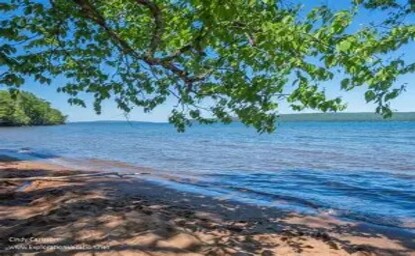
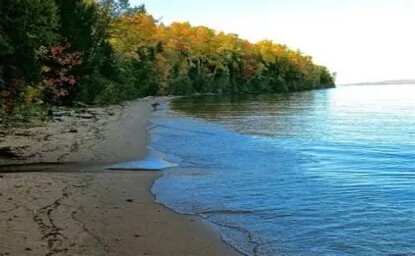
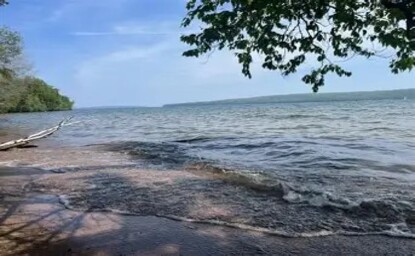
Located on the Red Cliff Band of Lake Superior Chippewa Reservation in Bayfield County, Frog Bay Tribal National Park is a remarkable destination that combines northern forest, coastal wetlands, and the Lake Superior shoreline. Established in 2012, it is recognized as the first tribal national park in the United States.
The park protects a rare boreal forest environment, with towering conifers, moss-covered woodland floors, and a beautiful undeveloped sandy beach. Its approximately 1.7-mile trail network winds through forested areas and includes boardwalks, bridges, and interpretive signs that explain the landscape's natural and cultural importance.
For birdwatchers, Frog Bay offers opportunities to explore different habitats within a relatively small area. Depending on the season, visitors may encounter woodland songbirds, migrating warblers, woodpeckers, and birds associated with Lake Superior.
The Red Cliff Band of Lake Superior Chippewa owns and manages the park. Visitors are welcome on designated public trails and are encouraged to respect the land, wildlife, and cultural significance of this special place.
Where to Bird at Frog Bay Tribal National Park
Frog Bay Tribal National Park offers a peaceful birding experience along approximately 1.7 miles of rustic trails through northern forest and Lake Superior shoreline habitats. The park's designated trails offer opportunities to observe woodland birds, migrating songbirds, and Great Lakes-associated birds.
Beach Trail: This relatively easy route follows an old roadbed through the boreal forest toward a sandy beach on Lake Superior. Listen for warblers, chickadees, vireos, and thrushes among the trees. At the shoreline, scan the water for gulls, waterfowl, and other passing birds.
Ravine Trail: A more challenging woodland route crosses a scenic footbridge and passes through forested terrain. Watch and listen for woodpeckers, Ovenbirds, and other forest songbirds. The varied vegetation provides excellent opportunities to practice identifying birds by their calls.
Lake Superior Shoreline: The park's undeveloped beach offers beautiful views toward several Apostle Islands. Birders can watch for offshore waterbirds and migrating songbirds along the forest edge, especially in spring and fall.
Forest Edges and Trail Openings: Pause quietly where the trails pass through different types of vegetation. These transitions can be productive places to find warblers, sparrows, and other small birds.
Frog Bay Tribal National Park is managed by the Red Cliff Band of Lake Superior Chippewa. Visitors should remain on designated public trails, follow posted regulations, and respect the adjoining conservation lands, some of which are reserved for tribal members.
Birds You May See at Frog Bay Tribal National Park
Frog Bay Tribal National Park provides excellent opportunities to observe birds associated with northern forests and the Lake Superior shoreline. Its mixture of conifers, hardwoods, wetlands, and coastal habitat attracts both resident birds and seasonal migrants.
Woodland Songbirds: Black-capped Chickadees, Red-breasted Nuthatches, Brown Creepers, and woodpeckers are among the birds to watch and listen for along the forest trails. Hermit Thrushes and other woodland songbirds may sing from the trees during the warmer months.
Warblers and Migrating Birds: Spring migration brings colorful warblers and other songbirds through the forest. Watch for Yellow-rumped Warblers, Blackburnian Warblers, Black-throated Green Warblers, and Ovenbirds in suitable woodland habitats. Some remain to breed in northern Wisconsin, while others continue their migrations.
Lake Superior Waterbirds: From the shoreline, scan the water for Common Loons, mergansers, gulls, and other waterbirds. Species and numbers vary with the season, weather, and lake conditions.
Birds of Prey: Bald Eagles may be seen soaring above Lake Superior or perched along the shoreline. Other migrating raptors occasionally pass through the area, particularly during spring and fall.
For the best birding experience, walk slowly, pause frequently, and listen for songs and calls. The forest canopy can make birds difficult to see, especially during summer when the trees are fully leafed out.
Best Times to Visit Frog Bay Tribal National Park
Frog Bay Tribal National Park offers rewarding birding opportunities from spring through fall, with its boreal forests and Lake Superior shoreline attracting different birds each season.
Spring (April–May): One of the most exciting times to visit. Migrating warblers, thrushes, and other woodland songbirds return to the region. May is particularly productive for listening to birds singing along the forest trails.
Summer (June–August): The forest comes alive with breeding songbirds, including warblers, vireos, and thrushes. Early mornings are especially rewarding, when birds are singing and temperatures are generally comfortable.
Fall (September–October): Southbound migration brings changing groups of songbirds through the forest. The Lake Superior shoreline also offers opportunities to watch for migrating waterfowl and other waterbirds.
Winter (November–March): Bird activity is quieter, but you may still encounter resident chickadees, nuthatches, and woodpeckers. Snow and ice can make the park's rustic trails difficult to navigate, so visitors should check conditions before traveling.
For the greatest variety of birds, mid-May through early June is especially promising. Arriving early in the morning, walking slowly, and listening carefully along the forest trails can make a visit particularly rewarding.
Tips for Visiting Frog Bay Tribal National Park
Frog Bay Tribal National Park provides a peaceful setting for birdwatching, hiking, and enjoying Lake Superior's northern forests. A little preparation will help make your visit safe and enjoyable.
Parking and Directions: From Bayfield, travel north on Highway 13 into Red Cliff. Turn onto Blueberry Road near Legendary Waters Resort & Casino and continue approximately three miles. Turn right onto Frog Bay Road and follow it to the parking area at the end of the road.
Trail Conditions: The Beach Trail is approximately half a mile and relatively easy, while the Ravine Trail is about one mile and moderately challenging. Expect uneven surfaces, roots, and occasional muddy sections, particularly after rain.
Footwear and Equipment: Wear sturdy walking shoes and bring binoculars, drinking water, and insect repellent. A camera or bird identification app can also be helpful for identifying birds along the forest trails.
Facilities: The park includes interpretive signs and a basic comfort station. Visitors should bring necessary supplies rather than relying on extensive visitor facilities.
Lake Superior Weather: Temperatures near the shoreline can be cooler than inland areas, even during summer. Bring an extra layer and check the weather before visiting.
Respect Tribal Lands: Frog Bay Tribal National Park is owned and managed by the Red Cliff Band of Lake Superior Chippewa. Stay on designated public trails, follow posted signs and park maps, and do not enter conservation areas reserved for tribal members.
Protect Wildlife: Observe birds from a respectful distance, avoid disturbing nesting areas, and follow Leave No Trace principles. Keep noise to a minimum so wildlife and other visitors can enjoy the peaceful surroundings.
With thoughtful preparation and respect for the Red Cliff community's stewardship, Frog Bay Tribal National Park offers a memorable northern Wisconsin birding experience.