Big Ravine Trail
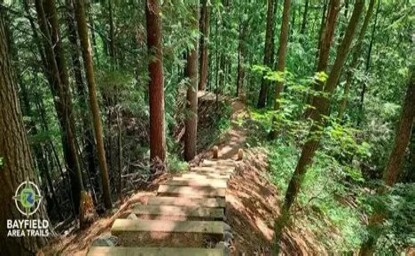

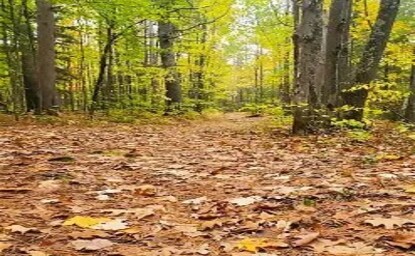
Located near downtown Bayfield in northern Wisconsin, Big Ravine Trail offers a peaceful woodland setting for birdwatching, hiking, and enjoying the natural beauty of the Lake Superior region. The trail system winds through a forested ravine with steep slopes, mature trees, and a mixture of hardwoods and conifers.
The ravine's sheltered environment supports woodland songbirds, woodpeckers, and migrating warblers. In spring and early summer, visitors can enjoy birdsong among the trees, while changing foliage creates beautiful scenery throughout the seasons.
Big Ravine Trail is particularly appealing to birders who enjoy exploring forest habitats. Its wooded slopes, shaded trails, and natural vegetation offer opportunities to observe birds in a relatively quiet setting close to Bayfield's downtown.
Some portions of the trail system include steep grades and uneven terrain, so visitors should choose routes that match their abilities and allow extra time for birdwatching.
Where to Bird at Big Ravine Trail
Big Ravine Trail offers rewarding birdwatching opportunities in the forested hills above downtown Bayfield. Its network of woodland paths passes through mixed hardwood and conifer forests, sheltered ravines, and scenic overlooks that provide habitat for resident and migrating birds.
West Rim Trail: This wooded route passes through mature trees and along the ravine's upper slopes. Listen for woodpeckers, thrushes, warblers, and other forest songbirds. Scenic overlooks offer opportunities to pause and watch birds moving through the surrounding treetops.
Gil Larsen Nature Trail: Beginning near Bayfield's historic Iron Bridge, this shorter trail follows a woodland stream through the ravine. Its shaded surroundings are ideal for listening for woodland birds. Benches and overlooks offer convenient places to stop.
East Rim Trail: This route explores additional forest habitat on the opposite side of the ravine. During spring migration, watch for warblers and other songbirds moving through the trees. Some sections have steep or uneven terrain, and visitors should follow current trail signs and closures.
Big Ravine Headwaters: Near Meyers-Olson Road, a short loop passes through forest, meadow, and wetland habitats. A viewing platform overlooking a pond offers opportunities to watch for birds such as Belted Kingfishers, Sandhill Cranes, and migrating songbirds.
For a productive birding visit, walk slowly, pause frequently, and listen for bird calls. The trail network includes moderate-to-difficult sections, so choose a route that matches your abilities and check current trail conditions before visiting.
Birds You May See at Big Ravine Trail
Big Ravine Trail's mixture of hardwood forests, conifers, wooded slopes, and nearby wetlands provides habitat for a variety of northern Wisconsin birds. Spring and early summer are particularly rewarding, when migrating songbirds and breeding species fill the forest with activity.
Woodland Songbirds: Black-capped Chickadees, Red-breasted Nuthatches, Blue Jays, and Brown Creepers are among the birds to watch for along the forest trails. Listen for the beautiful songs of Hermit Thrushes and other woodland birds in the shaded ravine.
Warblers and Migrating Birds: During May and June, the forest provides valuable habitat for migrating warblers, vireos, and thrushes. Watch for Ovenbirds, Black-throated Green Warblers, and other colorful songbirds moving through the trees. Some species remain to nest in the surrounding forests.
Woodpeckers: Pileated Woodpeckers, Yellow-bellied Sapsuckers, and Downy Woodpeckers may be encountered among the mature trees. Listen for their tapping, drumming, and distinctive calls.
Headwaters and Wetland Birds: The pond and wetland habitats near the Big Ravine Headwaters Trail attract a different variety of birds. Look for Belted Kingfishers, Sandhill Cranes, Red-winged Blackbirds, and occasionally Wood Ducks or other waterfowl.
Other Forest Birds: Ruffed Grouse may be found in suitable woodland habitat, although their camouflage often makes them difficult to spot. During spring, listen for the male's distinctive drumming display.
For the best birdwatching experience, walk slowly, pause frequently, and listen carefully. Many forest birds are easier to identify by their songs and calls than by sight, especially when leaves obscure the canopy.
Best Times to Visit Big Ravine Trail
Big Ravine Trail offers enjoyable birdwatching year-round, with each season bringing different birds and changing woodland scenery. The sheltered ravine, mature forests, and nearby headwaters habitats make spring and early summer particularly rewarding.
Spring (April–May): Spring migration brings warblers, thrushes, vireos, and other songbirds into the forest. May is especially productive, when returning birds sing from the treetops, and migrating species move through the ravine.
Summer (June–August): Breeding woodland birds remain active, including woodpeckers, chickadees, and forest songbirds. Early mornings offer the best chance to hear birds singing before the forest quiets during midday.
Fall (September–October): Southbound migration brings another wave of songbirds through the area. Cooler temperatures and changing foliage make woodland walks especially enjoyable, although falling leaves can eventually make birds easier to spot.
Winter (November–March): Resident birds such as Black-capped Chickadees, nuthatches, and woodpeckers remain in the forest. Snow-covered trails can be beautiful, but icy slopes and uneven terrain may make some routes difficult or unsafe.
For visitors hoping to see the greatest variety of birds, mid-May through early June is an excellent time to explore Big Ravine Trail. Arriving shortly after sunrise and walking slowly along the woodland paths can provide particularly rewarding birdwatching opportunities.
Tips for Visiting Big Ravine Trail
Big Ravine Trail offers an enjoyable woodland birding experience just minutes from downtown Bayfield. Its forested slopes, stream corridors, and scenic overlooks reward visitors who come prepared for natural trail conditions.
Parking and Access: A primary trailhead is located near Bayfield School. From downtown Bayfield, follow Fourth Street uphill, turn left onto Sweeny Avenue, and park near the baseball field. The trail begins behind the outfield fence. Additional access points include the historic Iron Bridge and Meyers-Olson Road.
Trail Conditions: The Big Ravine trail network includes moderate to difficult routes with steep slopes, exposed roots, and uneven ground. The Gil Larsen Nature Trail offers a shorter walk, although it also includes uneven surfaces and is not fully accessible to visitors with mobility limitations.
Footwear and Equipment: Wear sturdy hiking shoes with good traction. Bring binoculars, drinking water, and insect repellent. A bird identification guide or mobile birding app can help identify woodland birds that are heard but difficult to see.
Choose Your Route Carefully: Some trails follow the upper rim of the ravine, while others descend toward the stream. Check posted maps before beginning, and allow extra time for climbing hills and stopping to observe birds.
Seasonal Safety: Trails can become muddy after rain and slippery during winter. Lake Superior can also influence local temperatures, so carrying an extra layer is helpful.
Respect Trail Closures: Portions of the East Rim Trail have been closed because of private property boundaries, and flooding has affected a connection near Big Ravine Headwaters. Always follow current trail signs and check local trail alerts before visiting.
Protect Wildlife and Habitat: Stay on designated trails, respect private property, avoid disturbing nesting birds, and leave plants and natural features undisturbed.
With thoughtful preparation and a relaxed pace, Big Ravine Trail provides a rewarding opportunity to enjoy Bayfield County's northern forests and woodland birds.