David R. Obey Northern Great Lakes Visitor Center


The David R. Obey Northern Great Lakes Visitor Center is one of the easiest places in the Ashland area for a new birder to begin. Short trails, wetland habitat, nearby forest, and an observation area give visitors several ways to look for birds without needing a long or difficult hike.
This page will help you know what to expect, where to look, and which birds you may notice during a first visit.
The David R. Obey Northern Great Lakes Visitor Center is one of the easiest places in the Ashland area for a new birder to begin. Short trails, wetland habitat, nearby forest, and an observation area give visitors several ways to look for birds without needing a long or difficult hike.
This page will help you know what to expect, where to look, and which birds you may notice during a first visit.
Why This Is a Good Place for Beginners
The visitor center offers a mix of easy walking routes and varied habitat in a relatively compact area. Wetlands can attract waterbirds and marsh species, while nearby woods and edges can hold chickadees, woodpeckers, warblers, and other songbirds.
You do not need to cover every trail. A short walk, a few quiet stops, and time spent watching the wetland or forest edge can make for a rewarding first outing.
Where to Bird at the Visitor Center
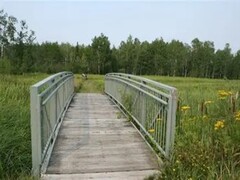
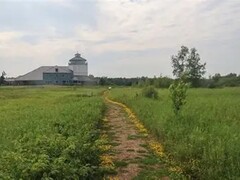
Start with the short trails and boardwalk areas near the visitor center. These provide beginners with easy access to a mix of wetlands, forest edges, and open areas where various birds may appear.
Move slowly and stop often along the boardwalk and trail edges. Wetland areas can be good places to watch for ducks, herons, blackbirds, and other water-loving species, while wooded sections may hold chickadees, nuthatches, woodpeckers, and migrating songbirds.
You do not need to walk every trail. Pick one route, spend time at a few quiet spots, and listen as much as you look. Birds are often easier to notice when you stop moving and give the area a few minutes to settle.
Birds You May See
The mix of wetlands, woods, and open areas gives visitors a chance to see several kinds of birds during one outing.
Around the wetland areas, watch for ducks, Canada Geese, Red-winged Blackbirds, Great Blue Herons, and other birds that use marshes and shallow water.
In the wooded areas and along forest edges, look and listen for Black-capped Chickadees, Blue Jays, nuthatches, woodpeckers, and other songbirds. Spring and fall migration can bring additional species through the area.
Do not worry about identifying everything you see. Pick a few birds to watch closely and notice their size, shape, color, behavior, and habitat. Those clues will make future identification easier.
Best Time to Visit
Spring and fall migrations are especially rewarding times to visit. Spring brings migrating songbirds through the forests and wetlands, while fall can bring another wave of songbirds and waterfowl moving through Northern Wisconsin.
Summer is a good time to watch resident birds, nesting activity, and adults feeding young. Winter is quieter, but chickadees, nuthatches, woodpeckers, juncos, and other hardy birds can still be found.
Morning is usually the best time for birding, when birds are most active and vocal. Move slowly, listen often, and spend a few quiet minutes near wetland edges, wooded trails, and open viewing areas.
Visitor center hours can change with the season, so check current hours before your trip. Refuge lands and trails are generally open from dawn to dusk.
Parking, Access, and Facilities
The visitor center has on-site parking and provides easy access to the building, nearby trails, and boardwalk areas.
Inside the visitor center, you can find exhibits, information, and restrooms. The surrounding trails offer a mix of short walking options, making it possible to enjoy the area without committing to a long hike.
Trail and facility conditions can change with weather and season, so check current information before your visit.
Tips for a Good Visit
Bring binoculars if you have them, along with comfortable walking shoes, water, and clothing suited to the weather. Northern Wisconsin conditions can change quickly, so dressing in layers is often helpful.
Move slowly and stop often. Spend a few quiet minutes near wetland edges, wooded areas, and openings where birds may be easier to see or hear.
Listen as much as you look. Chickadees, woodpeckers, blackbirds, and other birds may reveal themselves by sound before you spot them.
Stay on established trails and boardwalks, give wildlife plenty of space, and avoid disturbing nests or feeding areas.
If you are new to birding, keep your first visit simple. Choose one short route, enjoy the surroundings, and focus on a few birds rather than trying to identify everything you encounter.