Whittlesey Creek National Wildlife Refuge
 |
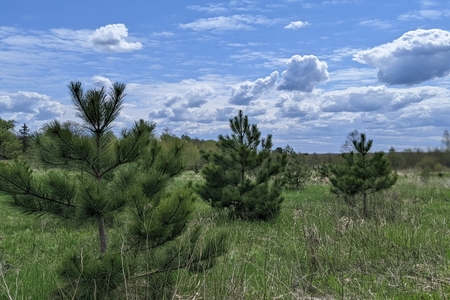 |
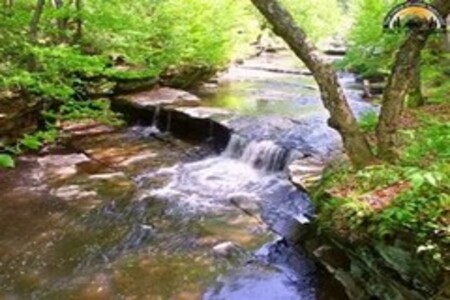
Whittlesey Creek National Wildlife Refuge, located along the southern shore of Lake Superior near Ashland, Wisconsin, protects a diverse landscape of coastal wetlands, spring-fed streams, forests, and grasslands. These habitats provide important breeding, feeding, and migration areas for birds and other wildlife year-round.
Established in 1999, the U.S. Fish & Wildlife Service manages the refuge to protect and restore wetland and stream ecosystems, including habitat for the native Coaster Brook Trout. For birdwatchers, the refuge offers opportunities to observe wetland birds, woodland songbirds, raptors, and seasonal migrants while exploring one of northern Wisconsin's distinctive natural areas.
Whether you're interested in observing birds during migration, exploring different habitats, or experiencing the wildlife of the Lake Superior watershed, Whittlesey Creek offers rewarding opportunities for birders of all experience levels.
BIRDING HABITATS AND HIGHLIGHTS
Whittlesey Creek National Wildlife Refuge is part of the extensive coastal wetland system along Lake Superior's southern shoreline. Its protected lands include marshes, stream corridors, wooded areas, and grasslands, creating diverse environments that attract different bird communities.
Wetland habitats and waterways provide opportunities to observe waterbirds, marsh species, and birds that depend on shallow water and shoreline vegetation. Forested areas and woodland edges offer habitat for songbirds, woodpeckers, and seasonal migrants, while more open environments can attract grassland birds and hunting raptors.
The refuge's spring-fed streams are especially important to its conservation mission. Protecting these waterways and their surrounding vegetation helps maintain the interconnected habitats used by fish, birds, and other wildlife. Birdwatchers can discover different species and behaviors as the seasons change.
WHERE TO BIRD AT WHITTLESEY CREEK NATIONAL WILDLIFE REFUGE
Whittlesey Creek National Wildlife Refuge offers opportunities to explore a variety of habitats along the southern shore of Lake Superior. Birdwatchers can discover wetland birds, woodland songbirds, waterfowl, and seasonal migrants by exploring the refuge's stream corridors, forested areas, grasslands, and coastal wetlands.
Wetlands and Stream Corridors
The refuge's wetlands and spring-fed waterways provide habitat for water-associated birds, including ducks, herons, rails, and other marsh species. During migration, these areas may attract additional waterfowl and shorebirds.
Woodlands and Forest Edges
Forested areas and woodland edges provide opportunities to observe warblers, flycatchers, woodpeckers, chickadees, and other songbirds. Spring and fall migration can bring changing combinations of species through these habitats.
Grasslands and Open Habitats
Open areas offer opportunities to watch for hunting raptors and birds associated with grasses and shrubs. Seasonal changes in vegetation, insects, and migration activity can influence which species are present.
Exploring the Refuge
Unlike some birding destinations, Whittlesey Creek does not have an extensive system of designated hiking trails. Visitors may explore permitted refuge lands on foot, observing posted boundaries and regulations.
For visitors interested in established interpretive trails, the nearby David R. Obey Northern Great Lakes Visitor Center offers woodland and wetland walking routes, including a boardwalk trail.
Birds You May See
Whittlesey Creek National Wildlife Refuge provides habitat for a diverse range of birds associated with Lake Superior's coastal wetlands, northern forests, and open landscapes. Bird populations change throughout the year, especially during spring and fall migration.
Wetland and Waterbirds
Ducks, Canada Geese, herons, bitterns, rails, swans, and shorebirds may be observed in suitable wetland and shoreline habitats. Sandhill Cranes are also associated with the refuge, particularly during the warmer months.
Woodland and Songbirds
Forests and wooded edges provide habitat for migrating warblers, flycatchers, woodpeckers, and other songbirds. Black-capped Chickadees and other resident woodland species may be seen year-round.
Raptors and Open-Country Birds
Hawks, Bald Eagles, and falcons may be observed around the refuge, particularly during migration. Grassland and open habitats can provide feeding opportunities for a variety of bird species.
Seasonal Birding Opportunities
Spring and fall migration offer opportunities to encounter a particularly wide range of species. Summer brings breeding activity and insect-feeding birds, while winter offers chances to observe resident woodland birds and wildlife adapted to northern Wisconsin's colder conditions.
Because bird activity depends on weather, habitat conditions, and migration patterns, visitors may encounter different species during each visit.
BEST TIME TO VISIT
Whittlesey Creek National Wildlife Refuge offers birding opportunities year-round, though seasonal conditions and migration patterns shape which birds visitors are likely to see.
Spring: Returning waterfowl, migrating warblers, shorebirds, and other songbirds bring renewed activity to wetlands, woodland edges, and stream corridors. Birdsong increases as breeding species establish territories.
Summer: The refuge's wetlands, forests, and open habitats support breeding birds and other wildlife. Look for nesting activity, territorial behavior, and adults feeding young, while observing wildlife from a respectful distance.
Fall: Migrating songbirds, waterfowl, and raptors move through the Lake Superior region. Changing vegetation and weather conditions can create interesting birdwatching opportunities across the refuge's varied habitats.
Winter: Resident woodland birds and occasional raptors may be found in suitable habitats. Snow, ice, and cold temperatures can make access more challenging, so visitors should prepare for winter conditions.
Early mornings are often productive for bird activity, but conditions vary by season and habitat. Visiting during different times of year can reveal changing bird populations and behaviors.
PARKING, ACCESS, AND FACILITIES
Whittlesey Creek National Wildlife Refuge provides designated parking areas and opportunities for wildlife observation and birdwatching. Because the refuge does not have an extensive system of developed hiking trails, visitors should plan their routes carefully and be prepared for natural terrain, uneven surfaces, and potentially wet conditions.
Parking and Visitor Information
Official refuge maps show designated parking locations. The refuge office is located inside the David R. Obey Northern Great Lakes Visitor Center at 29270 County Highway G, Ashland, Wisconsin. The visitor center is a useful starting point for obtaining maps, learning about current conditions, and exploring the region's natural history.
Trails and Accessibility
Visitors may explore permitted refuge lands on foot, including hiking, snowshoeing, and cross-country skiing. The refuge does not offer an extensive network of designated hiking trails. Terrain and seasonal conditions can present challenges, and visitors with mobility requirements should contact refuge staff for current accessibility information before visiting.
Restrooms and Facilities
Restrooms are available inside the David R. Obey Northern Great Lakes Visitor Center during its operating hours. Visitors exploring more remote refuge lands should not assume that restrooms, drinking water, or other facilities are available.
Hours and Fees
Refuge lands are generally open from sunrise to sunset for approved recreational activities, unless otherwise posted. There is no entrance fee. Visitor center and refuge office hours are separate and may change.
Visitor Safety and Regulations
Wildlife observation, photography, hiking, and other approved activities are permitted. Some refuge areas also allow regulated hunting and fishing. Check posted notices, seasonal restrictions, and official refuge information before visiting. Keep pets leashed, avoid disturbing wildlife, and use designated parking areas.
TIPS FOR A GOOD VISIT
Whittlesey Creek National Wildlife Refuge offers opportunities to observe wildlife in a variety of natural habitats. Because much of the refuge remains undeveloped, visitors should expect uneven ground, wet areas, and changing weather near Lake Superior.
Prepare for the Conditions
Wear sturdy footwear and dress in season-appropriate layers. Bring binoculars, drinking water, and any supplies needed for your visit. Insects can be abundant during warmer months, while snow and ice may create additional challenges during winter.
Explore Different Habitats
Wetlands, stream corridors, woodland edges, and open grasslands attract different bird communities. Listen for woodland songbirds, watch wetland vegetation for movement, and scan open areas for raptors and other wildlife.
Respect Wildlife and Refuge Regulations
Observe birds from a respectful distance and avoid disturbing nesting or feeding activity. Follow posted regulations, respect sensitive habitat areas, and remain aware of seasonal restrictions or hunting activities.
Return During Different Seasons
Spring and fall migration can bring changing combinations of birds through the Lake Superior region. Summer provides opportunities to observe breeding behavior, while winter offers a different perspective on the refuge's resident wildlife.
Before visiting, consult the U.S. Fish & Wildlife Service for current access information, refuge regulations, and visitor notices.