Ashland Waterfront Trail
 |
 |
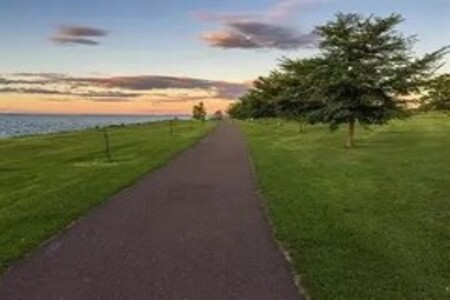
Ashland Waterfront Trail follows the southern shoreline of Lake Superior's Chequamegon Bay, offering birdwatchers opportunities to explore open water, beaches, shoreline vegetation, and waterfront parks in the city of Ashland, Wisconsin.
This scenic, paved trail provides views across the bay, where waterfowl, gulls, terns, and migrating birds can be observed throughout the seasons. Trees, shrubs, and landscaped areas along portions of the waterfront also create opportunities to watch for songbirds and other species.
The trail connects several public parks and recreational areas, including Maslowski Beach, 6th Avenue Beach, Kreher Park, and Bayview Park. Visitors can explore different sections of the waterfront, spend time scanning Lake Superior, or watch for birds moving through shoreline habitats.
Whether you're interested in identifying migrating waterbirds, photographing wildlife, or exploring the changing birdlife of Chequamegon Bay, Ashland Waterfront Trail offers rewarding experiences for birders of all skill levels.
BIRDING HABITATS AND HIGHLIGHTS
Ashland Waterfront Trail offers several birding environments along the southern shore of Chequamegon Bay. Its combination of open water, beaches, shoreline vegetation, and urban green spaces makes it an interesting location for observing birds throughout the year.
Open Water and Chequamegon Bay
The expansive waters of Chequamegon Bay provide opportunities to observe ducks, geese, gulls, terns, grebes, loons, and other waterbirds. Spring and fall migration can bring changing concentrations of birds, particularly when weather conditions influence their movements across Lake Superior.
Beaches and Shoreline Habitats
Sandy beaches, shoreline edges, and exposed areas near the waterfront may attract gulls, terns, and migrating shorebirds. Water levels, seasonal conditions, and human activity influence which areas are most productive for birdwatching.
Trees, Shrubs, and Waterfront Green Spaces
The trail passes through parks and landscaped areas where trees, shrubs, and vegetation provide opportunities to observe migrating songbirds. Warblers may be present during spring migration, while sparrows and other species can be found during fall.
Waterfront Structures and Viewing Areas
Piers, marina areas, and the historic ore dock provide additional places to observe birds using the waterfront. These locations can offer views of open water, shoreline activity, and birds resting or feeding around structures.
The variety of habitats along Ashland's waterfront makes the trail especially appealing for repeat visits. Different seasons, weather conditions, and lake levels can reveal new birding opportunities, even at familiar locations.
WHERE TO BIRD AT ASHLAND WATERFRONT TRAIL
Ashland Waterfront Trail provides several opportunities to observe birds along the southern shore of Chequamegon Bay. The combination of beaches, waterfront parks, open water, and shoreline vegetation allows birdwatchers to explore different habitats along the route.
Maslowski Beach
Maslowski Beach offers views of Chequamegon Bay and opportunities to observe waterfowl, gulls, terns, and migrating waterbirds. Scan the open water and shoreline for birds resting, feeding, or moving along the bay. Seasonal changes in water levels and weather conditions can influence bird activity.
6th Avenue Beach
The waterfront near 6th Avenue Beach provides additional opportunities to observe birds along Lake Superior. Watch for gulls and other waterbirds near the shoreline, particularly during migration. Nearby trees and landscaped areas may attract songbirds during warmer months.
Kreher Park
Kreher Park offers access to the waterfront and surrounding green spaces. Birdwatchers can explore the shoreline while observing birds using the bay, nearby vegetation, and open areas. Spring and fall can be especially interesting as migrating species move through the region.
Bayview Park
Bayview Park provides another vantage point overlooking Chequamegon Bay. Open-water views offer opportunities to search for ducks, gulls, and other waterbirds, while nearby vegetation may support songbirds and seasonal migrants.
Historic Ore Dock and Waterfront Structures
Ashland's historic ore dock area is a distinctive landmark along the waterfront. Open-water views and nearby shoreline structures may provide opportunities to observe gulls, waterfowl, and other birds using the bay. Observe from designated public areas and respect any posted access restrictions.
Exploring different sections of Ashland Waterfront Trail throughout the year can reveal changes in bird activity. Lake conditions, migration patterns, and seasonal habitat changes influence which species may be present during each visit.
Ashland Waterfront Trail provides several opportunities to observe birds along the southern shore of Chequamegon Bay. The combination of beaches, waterfront parks, open water, and shoreline vegetation allows birdwatchers to explore different habitats along the route.
BIRDS YOU MAY SEE
Ashland Waterfront Trail offers opportunities to observe a variety of birds along the southern shoreline of Chequamegon Bay. Open water, beaches, waterfront parks, and shoreline vegetation attract different species throughout the year, particularly during spring and fall migration.
Waterfowl and Diving Birds
Chequamegon Bay provides habitat for ducks, geese, grebes, loons, and other waterbirds. Depending on the season and water conditions, you may see mallards, common goldeneyes, common mergansers, and other diving ducks. During migration, scan the open water for additional species moving through the Lake Superior region.
Gulls, Terns, and Shorebirds
Gulls are among the most noticeable birds along Ashland's waterfront. Ring-billed Gulls and Herring Gulls may be seen resting, feeding, or flying over the bay. During warmer months and migration periods, terns and shorebirds may also visit suitable shoreline habitats.
Woodland and Park Birds
Trees, shrubs, and green spaces near the trail provide opportunities to observe songbirds. American Robins, Blue Jays, Black-capped Chickadees, Northern Cardinals, and American Goldfinches may be encountered in suitable habitat. Spring migration can bring warblers and other songbirds through waterfront vegetation.
Raptors and Other Birds
Bald Eagles may be observed soaring above Chequamegon Bay or perched near the shoreline. Ospreys and other raptors may also appear during warmer months or migration. Watch for birds hunting over open water, using shoreline perches, or traveling along the lakeshore.
Seasonal Birding Opportunities
Bird populations along Ashland Waterfront Trail change throughout the year. Spring and fall migration can bring a particularly interesting variety of waterbirds and songbirds. Summer offers opportunities to observe breeding birds, while winter may bring concentrations of ducks and other waterbirds wherever open water remains.
Different weather conditions, lake levels, and migration patterns can make each visit a new birdwatching experience.
Birds You May See
Black-capped Chickadee
BEST TIME TO VISIT
Ashland Waterfront Trail offers rewarding birdwatching opportunities throughout the year. Located along the southern shoreline of Chequamegon Bay, the trail provides opportunities to observe seasonal changes in waterbirds, migrating songbirds, and other species associated with Lake Superior.
Spring
Spring migration is one of the most exciting times to explore Ashland's waterfront. As ice retreats and open water expands, ducks, geese, loons, grebes, and other waterbirds move through the bay. Shoreline vegetation and waterfront parks can also attract migrating songbirds, including warblers.
Summer
Summer brings opportunities to observe gulls, terns, resident songbirds, and birds using the waterfront's parks and green spaces. Watch for breeding behavior, adults feeding young, and birds foraging along the shoreline. Early mornings can be particularly productive before waterfront activity increases.
Fall
Fall migration brings another period of changing bird populations. Waterfowl, diving ducks, gulls, and migrating songbirds may be observed along the bay. Cooler temperatures and shifting weather patterns can influence bird movements, making repeat visits especially interesting.
Winter
Winter birding along Ashland Waterfront Trail depends heavily on ice conditions. Where open water remains, birdwatchers may encounter Common Goldeneyes, Common Mergansers, gulls, and other cold-season waterbirds. Bald Eagles may also be observed along the waterfront.
Snow, ice, and strong winds can affect trail conditions and visibility. Dress appropriately and check local conditions before visiting.
Best Time of Day
Early mornings often provide good opportunities to observe active birds and enjoy quieter waterfront conditions. However, waterbird activity can be productive throughout the day, particularly during migration. Wind direction, weather, and changing lake conditions may influence where birds gather.
PARKING, ACCESS, AND FACILITIES
Ashland Waterfront Trail provides convenient access to several public parks, beaches, and shoreline viewing areas along Chequamegon Bay. The paved trail is part of the Ashland Rails to Trails System (ARTS), which connects waterfront destinations with other recreational areas throughout the city.
Parking and Trail Access
Visitors can access the Waterfront Trail from several locations, including Maslowski Beach, 6th Avenue Beach, Kreher Park, the historic ore dock area, and Bayview Park.
Maslowski Beach, on the western side of Ashland along U.S. Highway 2, provides parking and access to the paved trail. Additional access points are available at waterfront parks and public recreation areas.
Trail Conditions and Accessibility
The Waterfront Trail is a paved, multi-use route accommodating walkers, runners, and bicyclists. The city identifies the trail system as ADA-compliant, making it a useful option for visitors seeking a developed waterfront route.
Benches are located periodically along the trail, providing opportunities to rest, enjoy views of Chequamegon Bay, and observe birds. Snow, ice, maintenance activities, and changing weather conditions may affect accessibility during certain seasons.
Restrooms and Visitor Facilities
Several waterfront parks provide visitor amenities. Maslowski Beach offers restrooms, a pavilion, playground, and artesian well. Kreher Park provides restrooms, picnic facilities, and waterfront access, while Bayview Park offers restrooms, a playground, and a fishing pier.
Facility availability may vary by season. Visitors should check current park information before planning their trip.
Planning Your Visit
Birdwatchers can explore individual sections of the trail rather than completing the entire waterfront route. Choosing a starting point near a beach, park, or viewing area allows time to observe waterbirds, shoreline habitats, and seasonal migration activity.
Because the trail is shared with other recreational users, remain aware of bicyclists and pedestrians. Respect posted regulations, private property boundaries, and any temporary closures along the waterfront.
TIPS FOR A GOOD VISIT
Ashland Waterfront Trail offers birdwatching opportunities along the southern shore of Lake Superior, where changing weather, seasonal migration, and shoreline habitats can make each visit different.
Prepare for Lake Superior Weather
Weather conditions along Chequamegon Bay can change quickly. Dress in layers, wear comfortable walking shoes, and bring binoculars and drinking water. Wind and temperatures near the waterfront may differ considerably from inland conditions, particularly during spring and fall.
Scan the Open Water
Bring binoculars or a spotting scope to search Chequamegon Bay for ducks, gulls, loons, grebes, and other waterbirds. Scan different distances from shore, including areas near docks and sheltered sections of the bay.
Explore Shoreline Vegetation
Trees, shrubs, and grassy areas near waterfront parks may attract migrating songbirds. During spring and fall, watch for movement in the vegetation and listen for calls that can help locate birds.
Visit Different Waterfront Locations
Maslowski Beach, Kreher Park, Bayview Park, and other public access points offer different views of the bay. Exploring several locations can reveal changes in bird activity depending on wind, weather, season, and habitat.
Respect Wildlife and Other Trail Users
Remain on designated public trails and viewing areas, respect posted regulations, and give wildlife plenty of space. Avoid disturbing nesting or feeding birds. Because the waterfront trail is shared with walkers and bicyclists, stay aware of other visitors.
Return Throughout the Year
Spring and fall migration can bring changing combinations of waterbirds and songbirds. Summer offers opportunities to observe resident and breeding species, while winter may provide views of cold-season waterbirds wherever open water remains.
Before visiting, check current weather forecasts, trail conditions, and any seasonal park restrictions.