Cherokee Marsh Conservation Park
 |
 |
Cherokee Marsh Conservation Park is one of Dane County's most rewarding birding destinations. Located on Madison's north side, this extensive natural area protects important wetlands, woodlands, oak savannas, and restored prairies along the upper Yahara River.
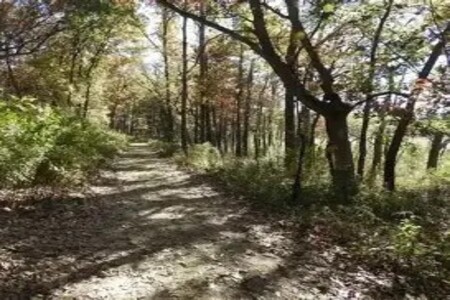
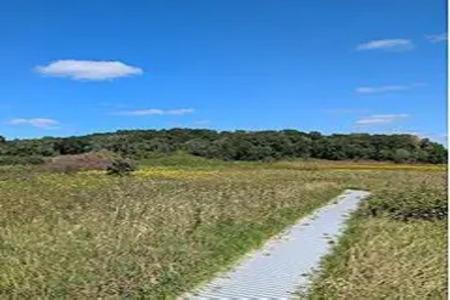
The North Unit offers a particularly enjoyable birding experience, with trails leading through several distinct habitats. Boardwalks and observation decks provide views of marshes and sedge meadows, while woodland paths and prairie openings offer opportunities to discover a wide variety of birds.
Visitors may encounter Sandhill Cranes, Bald Eagles, Ospreys, woodpeckers, and colorful woodland songbirds. During spring and fall migration, the park's diverse habitats attract additional species, making Cherokee Marsh an appealing destination year-round.
Whether you're exploring the wetlands for waterbirds or listening for songbirds among the trees, Cherokee Marsh offers a peaceful setting to experience Wisconsin's rich birdlife.
Location - 6098 N. Sherman Avenue, Madison, WI 53704 — North Unit entrance.
HABITATS AND BIRDS YOU MAY SEE
Wetlands and Marshes
Cherokee Marsh protects extensive wetlands along the upper Yahara River. Its cattail marshes, sedge meadows, and shallow-water habitats support a variety of waterbirds and marsh species.
Look and listen for Sandhill Cranes, Red-winged Blackbirds, Marsh Wrens, and Great Blue Herons. During migration, ducks and other waterbirds may also be present.
Woodlands and Oak Savannas
Wooded trails and oak savanna habitats offer opportunities to observe Downy Woodpeckers, Red-bellied Woodpeckers, Black-capped Chickadees, Blue Jays, and White-breasted Nuthatches.
During spring migration, watch for warblers, vireos, and other songbirds moving through the trees.
Prairies and Open Grasslands
Restored prairie areas provide habitat for birds associated with open landscapes. Eastern Bluebirds, American Goldfinches, and Eastern Kingbirds may be observed around prairie edges and scattered trees.
Seasonal Birding Highlights
Spring brings migrating songbirds and returning marsh birds. Summer offers opportunities to observe nesting activity, while fall migration brings changing flocks of birds passing through the area.
Winter can also be rewarding, especially for hardy resident species such as chickadees, woodpeckers, and Blue Jays.
Because Cherokee Marsh contains several habitat types within one conservation area, visitors can enjoy a variety of birding experiences during a single outing.
BEST TIMES TO VISIT CHEROKEE MARSh
Spring — March through May
Spring is one of the most rewarding seasons for birdwatching at Cherokee Marsh. Migrating ducks and other waterbirds return as the wetlands thaw, while Sandhill Cranes, Red-winged Blackbirds, and other marsh birds become increasingly active.
April and May bring migrating warblers, vireos, and other songbirds to the woodlands and surrounding habitats.
Summer — June through August
Summer offers opportunities to observe nesting birds and family groups. Listen for Marsh Wrens in wetland vegetation and watch for herons hunting along shallow-water edges.
Prairie flowers and lush vegetation make the park especially attractive, although mosquitoes can be plentiful near the marsh.
Fall — September through November
Fall migration brings southbound songbirds and waterbirds through the area. September and October can be particularly enjoyable as changing foliage creates a colorful backdrop for birdwatching.
Watch for migrating raptors overhead and waterfowl gathering in suitable wetland areas.
Winter — December through February
Winter offers quieter trails and opportunities to observe resident birds such as Black-capped Chickadees, Blue Jays, and woodpeckers.
Snow-covered wetlands can be beautiful, but icy trails and cold winds may make some areas difficult to explore.
Best Time of Day
Early morning generally provides the most active birding, especially during spring and summer. Late afternoon can also be productive, particularly around wetland edges and open habitats.
For the best experience, bring binoculars, wear comfortable walking shoes, and allow time to explore several habitat types.
PARKING, TRAILS, AND FACILITIES
Parking and Access
Cherokee Marsh Conservation Park's North Unit is located at 6098 North Sherman Avenue in Madison, Wisconsin. Visitors can reach the main parking area by following North Sherman Avenue to the park entrance.
A second parking area is available at 5898 North Sherman Avenue. Both provide access to the park's trail network.
Trails and Birding Opportunities
The North Unit offers approximately 4.1 miles of trails through restored prairie, oak savanna, woodlands, and wetlands.
Boardwalks and observation decks provide excellent opportunities to view the upper Yahara River, marshes, and sedge meadows.
The trail system includes shorter routes such as the Bluebird Loop and longer walks through woodland and prairie habitats. Birdwatchers can choose routes based on their interests and available time.
Facilities and Accessibility
Year-round restrooms are available at the North Unit.
Some trails include boardwalks and observation areas, but surfaces and conditions vary. Visitors with mobility concerns should review the official park map and contact Madison Parks for current accessibility information.
Park Hours and Regulations
The park is generally open daily from 4:00 a.m. to 10:00 p.m.
Dogs are not permitted in Madison's conservation parks. Visitors should remain on designated trails, respect sensitive wildlife habitats, and avoid disturbing nesting birds.
Trail conditions may become muddy or slippery after rain or during spring thaw.
BIRDING TIPS FOR CHEROKEE MARSH
Start Early and Listen Carefully
Early morning is often the most productive time for birdwatching at Cherokee Marsh. Listen for Red-winged Blackbirds calling from wetland vegetation, Marsh Wrens singing among the reeds, and songbirds moving through the surrounding trees.
Explore Different Habitats
One of Cherokee Marsh's greatest attractions is its variety of habitats. Spend time along wetland overlooks, then explore wooded trails and prairie edges. Each habitat offers opportunities to encounter different bird species.
Bring Binoculars and Comfortable Footwear
Binoculars are especially helpful when scanning open marshes for waterbirds or observing distant raptors. A camera with a zoom lens can also be useful.
Trail surfaces may become muddy after rainfall, so sturdy walking shoes are recommended. During warmer months, bring insect repellent and drinking water.
Watch for Seasonal Changes
Spring migration brings an exciting variety of returning birds, while summer offers opportunities to observe nesting activity. Fall brings migrating waterfowl and songbirds, and winter provides a quieter experience with resident woodland birds.
Visiting Cherokee Marsh during different seasons is an excellent way to discover how Wisconsin's birdlife changes throughout the year.
Respect Wildlife and Sensitive Habitats
Remain on designated trails and boardwalks, observe birds from a respectful distance, and avoid disturbing nests or young birds.
Cherokee Marsh protects important wetland and woodland habitats. Responsible birdwatching helps preserve these natural areas for future generations.
Your first block of text...
Your second block of text...