University of Wisconsin–Madison Arboretum
 |
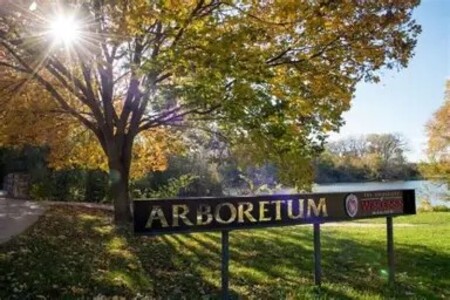 |
The University of Wisconsin–Madison Arboretum is one of Dane County's most remarkable places to birdwatch and explore Wisconsin's natural landscapes. Located on Madison's southwest side near Lake Wingra, this extensive conservation and research area features restored prairies, oak savannas, woodlands, wetlands, and beautiful natural trails.
Birdwatchers can explore a variety of habitats, each attracting different species year-round. Prairie areas provide opportunities to observe grassland birds, while wooded trails offer chances to discover woodpeckers, chickadees, warblers, and other woodland songbirds.
The Arboretum is also an important center for ecological restoration, helping preserve and restore native Wisconsin plant communities while providing valuable wildlife habitat.
With miles of walking trails, peaceful natural surroundings, and excellent seasonal birding opportunities, the UW–Madison Arboretum is a rewarding destination for both beginning and experienced birdwatchers.
Location: 1207 Seminole Highway, Madison, WI 53711
HABITATS AND BIRDS YOU MAY SEE
Curtis Prairie and Grasslands
Curtis Prairie is one of the Arboretum's best-known natural areas and an important example of prairie restoration. Its native grasses and wildflowers provide habitat for birds associated with open landscapes.
Watch for American Goldfinches, Eastern Kingbirds, and Song Sparrows. Depending on the season, other grassland and prairie-edge birds may also be present.
Woodlands and Forest Trails
The Arboretum's woodlands, including Gallistel Woods and Wingra Woods, offer excellent opportunities to observe forest birds.
Look for Downy Woodpeckers, Red-bellied Woodpeckers, White-breasted Nuthatches, Black-capped Chickadees, and Blue Jays. During spring migration, warblers, vireos, thrushes, and other songbirds may move through the trees.
Oak Savannas
Restored oak savannas combine scattered mature trees with open grassy areas, creating habitat for birds that use both woodland and prairie environments.
Eastern Bluebirds, Northern Flickers, and Eastern Kingbirds may be observed around woodland openings and savanna edges.
Wetlands and Lake Wingra
Wetland areas and nearby Lake Wingra provide additional birding opportunities. Depending on water conditions and the season, visitors may encounter Mallards, Wood Ducks, Great Blue Herons, and other waterbirds.
During spring and fall migration, watch for additional ducks and migrating birds moving through the wetland habitats.
Seasonal Variety
The Arboretum's mix of prairies, woodlands, savannas, and wetlands makes it a rewarding destination year-round. Each season brings changing bird activity, offering visitors opportunities to discover both resident and migratory species.
BEST TIMES TO VISIT THE UW–MADISON ARBORETUM
Spring — March through May
Spring is one of the most rewarding seasons for birdwatching at the UW–Madison Arboretum. As the weather warms, returning birds become more active in the prairies, woodlands, and wetlands.
April and May are especially exciting for migrating warblers, vireos, thrushes, and other songbirds. Early mornings along woodland trails can be particularly productive.
Summer — June through August
Summer offers opportunities to observe nesting birds and family groups. Curtis Prairie comes alive with native grasses, wildflowers, and insects that support a variety of birds.
Look for American Goldfinches, Eastern Kingbirds, and other birds around prairie edges and open habitats. Wooded trails provide shade during warmer days.
Fall — September through November
Fall migration brings another opportunity to observe songbirds moving south through the Arboretum. September and October can be particularly enjoyable as prairie grasses turn golden and woodland foliage begins changing color.
Watch for migrating birds along woodland edges and open areas, and listen for resident species becoming more noticeable as leaves fall.
Winter — December through February
Winter offers quieter trails and opportunities to observe resident birds such as Black-capped Chickadees, Blue Jays, White-breasted Nuthatches, and woodpeckers.
Snow-covered prairies and bare woodland trees create beautiful scenery and can make certain birds easier to spot.
Best Time of Day
Early morning generally offers the most active birdwatching, especially in spring and summer. Late afternoon can also be productive as birds feed before evening.
For a rewarding visit, allow time to explore more than one habitat type, and adjust your plans based on seasonal trail conditions.
PARKING, TRAILS, AND FACILITIES
Parking and Access
The University of Wisconsin–Madison Arboretum is located at 1207 Seminole Highway in Madison, Wisconsin. Admission and parking are free.
The main Visitor Center and parking lots are approximately one mile from the Seminole Highway entrance. Visitors can also enter from South Mills Street and North Wingra Drive.
Additional parking areas provide access to different sections of the Arboretum, including the Grady Tract and Wingra Oak Savanna.
Trails and Birding Opportunities
The Arboretum maintains more than 17 miles of trails through restored prairies, oak savannas, woodlands, and wetlands.
Birdwatchers can explore Curtis Prairie, Wingra Woods, Gallistel Woods, and other natural areas. The trail network includes woodland paths, prairie trails, boardwalks, and service roads.
Trail surfaces vary and may be uneven, muddy, or icy depending on the season. Sturdy walking shoes are recommended.
Visitor Center and Facilities
The Visitor Center provides restrooms, drinking fountains, maps, educational exhibits, and information about the Arboretum.
Visitor Center hours are generally Monday through Friday, 9:30 a.m. to 4:00 p.m., and Saturday and Sunday, 12:30 p.m. to 4:00 p.m. Holiday closures may apply.
The Arboretum grounds and parking areas are open daily from 4:00 a.m. to 10:00 p.m.
Accessibility
The Visitor Center is an accessible facility, with designated accessible parking spaces nearby. An accessible path leads through the Wisconsin Native Plant Garden, although portions are sloped.
Natural trails vary in surface and accessibility. Visitors with mobility concerns should consult the official trail map or contact the Visitor Center before their visit.
Visitor Guidelines
Dogs and other pets are not permitted, except service animals as allowed by law.
Bicycles are permitted on paved roads but not on nature trails. Visitors should remain on designated paths, avoid disturbing wildlife, and respect the Arboretum's research and restoration areas.
These guidelines help protect the Arboretum's sensitive natural habitats and the birds that depend on them.
BIRDING TIPS FOR THE UW–MADISON ARBORETUM
Start with the Woodlands
During spring migration, explore Wingra Woods and Gallistel Woods for warblers, vireos, thrushes, and other woodland songbirds. Early morning is often the best time to hear birds singing and watch activity in the trees.
Move slowly, listen carefully, and watch for movement among branches and leaves.
Explore Curtis Prairie
Curtis Prairie offers a different birding experience from the wooded trails. Scan the prairie edges, scattered trees, and open grasslands for American Goldfinches, Eastern Kingbirds, Song Sparrows, and other birds associated with open habitats.
Binoculars are especially helpful when observing birds perched on distant trees or moving through tall grasses.
Visit During Spring and Fall Migration
April and May are especially rewarding for migrating songbirds. September and October offer additional opportunities to observe birds moving through the Arboretum on their southward journeys.
Visiting more than once during migration can reveal different species as seasonal conditions change.
Bring Appropriate Equipment
Carry binoculars, drinking water, and a field guide or bird identification app. Comfortable walking shoes are recommended because natural trail surfaces can be uneven or muddy.
In warmer months, insect repellent and sun protection can make longer walks more comfortable.
Respect the Arboretum's Natural Habitats
Remain on designated trails, avoid approaching nests or disturbing wildlife, and observe birds from a respectful distance.
The Arboretum is an active research and ecological restoration area. Responsible birdwatching helps protect the native habitats that make this destination so valuable.
With its combination of prairies, woodlands, savannas, and wetlands, the UW–Madison Arboretum offers opportunities to develop bird identification skills and experience Wisconsin's changing birdlife throughout the year.